Product List
Gangsteel Material Solution
Email: admin@gangsteel.com
Sales: jack@gangsteel.com
In the world of materials engineering, understanding equivalent standards is crucial for global sourcing, design flexibility, and ensuring compliance across international projects. ASTM A240 Grade 321H (UNS S32109), a high-carbon, titanium-stabilized austenitic stainless steel, is widely used for its excellent high-temperature creep resistance and weld stability.
But what happens when you need to substitute it with an equivalent grade from another standard? This article dives deep into the equivalents of ASTM A240 321H, exploring why equivalents matter, how they are determined, and a comprehensive list of matching grades from major international specifications. As a leading manufacturer and exporter in China, Gangsteel specializes in producing and supplying ASTM A240 Grade 321H and its equivalents, ensuring seamless interchangeability backed by dual certifications.
ASTM A240 321H is specified for chromium-nickel stainless steel plates, sheets, and strips in pressure vessels and high-temperature applications. Its key features include elevated carbon (0.04-0.10%) for enhanced rupture strength at temperatures above 500°C and titanium stabilization to prevent intergranular corrosion (IGC) during welding or thermal exposure. Equivalents are materials that offer similar chemical composition, mechanical properties, corrosion resistance, and performance characteristics, allowing engineers to select based on availability, cost, or regional standards. These are not always identical but are functionally interchangeable in most contexts, as verified by standards bodies like ISO or EN.
At Gangsteel, we've supplied 321H and its equivalents to over 50 countries, from Middle Eastern refineries to European power plants, with full traceability and EN 10204 3.2 certificates. Whether you're specifying for ASME boilers or EN-compliant vessels, understanding these equivalents can save time and reduce risks. For a broader view of our stabilized austenitic grades, explore our ASTM A 240/A 240M stainless steel plate portfolio, including ASTM A 240 Gr 321 for lower-carbon needs and ASTM A 240 Gr 316Ti for molybdenum-added stabilization.
Long-tail keywords: ASTM A240 321H equivalent grades, S32109 international standards, A240 Gr 321H material substitutes, AISI 321H cross-reference, 321H stainless steel alternatives
To appreciate equivalents, it's essential to grasp what makes ASTM A240 321H unique. This grade is an austenitic stainless steel with titanium stabilization, designed for ASME BPVC applications where high-temperature strength and resistance to sensitization are paramount. Sensitization occurs when carbon combines with chromium at grain boundaries during welding or heating, depleting corrosion resistance—titanium binds carbon first, preserving the passive layer.
Key attributes:
Equivalents must match these in chemistry (especially Ti and C levels), mechanics (creep/yield), and performance (IGC tests like ASTM A262). Factors like grain size control and heat treatment (annealing at 1050-1150°C) ensure comparability. Gangsteel produces 321H with dual certifications to equivalents, verifying through PMI and UT for defect-free material.
In practice, equivalents enable sourcing from regions like Europe (EN standards) or Japan (JIS), where ASTM isn't dominant. However, always cross-check via standards like ISO 15510 or consult metallurgists—slight differences in N or Si can affect weldability.
Long-tail keywords: ASTM A240 Grade 321H overview, S32109 high temp stainless, A240 Gr 321H sensitization resistance, AISI 321H creep strength, 321H vs unstabilized grades
Equivalents aren't just substitutes—they're strategic tools for supply chain optimization. Benefits include:
Considerations:
From our experience, 70% of 321H inquiries involve equivalents for import/export—e.g., replacing UNS S32109 with W.Nr. 1.4878 for German projects.
Long-tail keywords: benefits of ASTM 321H equivalents, S32109 substitute considerations, A240 Gr 321H global standards comparison, AISI 321H cross-standard matching, 321H equivalent performance testing
Equivalents are established by comparing:
For 321H, equivalents must handle 600-900°C without sigma phase or embrittlement. Gangsteel tests substitutes in-house, ensuring <0.05 mm/year in boiling nitric acid post-weld.
Long-tail keywords: criteria for ASTM 321H equivalents, S32109 material matching standards, A240 Gr 321H equivalent determination, AISI 321H substitute criteria, 321H cross-reference methods
Here’s a detailed table of equivalents, sourced from standards like ISO 15510, EN 10088, and JIS G4303. Each includes the full designation, spec details, and notes on interchangeability.
|
Standard |
Grade/Designation |
Full Spec Details |
Notes on Interchangeability |
|---|---|---|---|
|
UNS |
S32109 |
Unified Numbering System for Metals and Alloys |
Direct equivalent; same chemistry and properties as ASTM 321H. Used in US/Canada for global traceability. |
|
EN |
1.4878 / X10CrNiTi18-10 |
EN 10088-2/3: Stainless steels - Technical delivery conditions for sheet/plate and strip |
Excellent match; slightly tighter Ti (0.20-0.70%) but identical performance in creep/IGC. Common in EU for PED-compliant vessels. Gangsteel dual-certs to this. |
|
DIN |
1.4878 |
DIN EN 10088-2: Corrosion-resistant flat products |
Same as EN 1.4878; historical German standard, fully interchangeable for high-temp apps. |
|
JIS |
SUS321H |
JIS G4305: Cold-rolled stainless steel plate, sheet and strip |
Near-identical; Ti 5xC min, C 0.04-0.10%; widely used in Asia. Slight Ni variance but equivalent creep per JIS tests. |
|
BS |
321S51 |
BS EN 10088-2: Stainless steels - Sheet/plate/strip |
UK equivalent; matches EN chemistry; suitable for BS 5500 pressure vessels. |
|
AFNOR |
Z6CNT18-10 |
NF EN 10088-3: Bars, rods, wire, sections |
French standard; interchangeable with EN; used in nuclear/power sectors. |
|
ISO |
X6CrNiTi18-10 |
ISO 15510: Stainless steels - Chemical composition |
Harmonized equivalent; aligns with EN for international specs. |
|
GOST |
08Ch18N12T |
GOST 5632: High-alloy steels and corrosion-proof alloys |
Russian approximate; similar Ti-stab, but verify creep for critical use. |
|
GB |
0Cr18Ni10Ti |
GB/T 20878: Stainless and heat-resisting steels |
Chinese near-match; C ≤0.08%, Ti 5xC-0.70%; common substitute in Asia with comparable properties. Gangsteel produces this as equivalent. |
These equivalents are based on compositional and performance similarity per ISO/TR 15510. For example, EN 1.4878 plates from Gangsteel are dual-certified to ASTM 321H, passing shared tests like ASTM E112 grain size and EN ISO 3651-2 IGC. Always confirm with application-specific codes—e.g., ASME Section II accepts EN via UG-10.
Long-tail keywords: ASTM A240 321H equivalent table, S32109 EN DIN JIS matches, A240 Gr 321H international equivalents, AISI 321H cross-reference list, 321H substitute standards
To ensure safe substitution, compare properties:
Differences are minimal; consult ASME Code Case 1325 for non-US equivalents in US projects.
Long-tail keywords: ASTM 321H vs EN 1.4878 comparison, S32109 JIS SUS321H equivalent, A240 Gr 321H BS 321S51 match, AISI 321H detailed substitutes, 321H vs international grades
Equivalents expand 321H's reach:
Gangsteel’s 321H equivalents have been used in 500+ projects, e.g., replacing ASTM with EN in German heat exchangers—saving 15% on lead times.
Long-tail keywords: ASTM 321H equivalents in power plants, S32109 substitutes applications, A240 Gr 321H international uses, AISI 321H equivalent industries, 321H cross-standard projects
Contact us for samples or quotes on 321H equivalents.
Long-tail keywords: sourcing ASTM 321H equivalents, S32109 substitute verification, A240 Gr 321H equivalent testing, AISI 321H cross-reference sourcing, 321H equivalent suppliers
As of November 2025, ASTM 321H averages USD 5-9/kg FOB; equivalents vary:
Factors: Ti pricing, regional Ni fluctuations (~$17k/ton). Gangsteel locks rates for equivalents.
Long-tail keywords: ASTM 321H equivalent prices 2025, S32109 substitute costs, A240 Gr 321H cross-standard pricing, AISI 321H equivalent market rates, 321H alternative costs
Q: Is EN 1.4878 a direct equivalent to ASTM 321H?
A: Yes; chemistry and properties align per ISO 15510, with EN offering tighter controls—fully interchangeable for high-temp apps, as accepted in ASME via Code Cases.
Q: Can JIS SUS321H replace ASTM 321H in boilers?
A: Absolutely; matching stabilization and creep, with JIS G4303 tests equivalent to ASTM—verify via MTCs for ASME compliance.
Q: What’s the difference between 321H equivalents and 304H?
A: Equivalents have Ti stabilization; 304H lacks it, risking IGC—use 321H types for welds/heat.
Q: Are there Chinese equivalents to 321H?
A: GB 0Cr18Ni10Ti; similar but check Ti ratio for creep—Gangsteel produces certified matches.
Q: How to test 321H equivalents for equivalence?
A: IGC (A262), creep (E139), chemistry (PMI)—third-party labs confirm.
Long-tail keywords: ASTM 321H equivalents FAQ, S32109 substitute questions, A240 Gr 321H cross-reference FAQ, AISI 321H equivalent testing, 321H alternative standards FAQ
Gangsteel’s metallurgists ensure equivalent performance through in-house testing and dual-certs. With 100k tons/year exports and ABS/DNV approvals, we supply 321H equivalents globally. Fast delivery (7-15 days), customization (CNC cutting), and competitive pricing. Explore ASTM A 240 Gr 316.
Long-tail keywords: ASTM 321H equivalent supplier, S32109 substitute Gangsteel, A240 Gr 321H cross-standard source, AISI 321H equivalent exporter, 321H alternative quality
Understanding ASTM A240 321H equivalents unlocks global flexibility, with grades like EN 1.4878, JIS SUS321H, and BS 321S51 offering near-identical performance in high-temp, stabilized applications. Whether for cost, availability, or compliance, these substitutes maintain the creep strength and IGC resistance that make 321H indispensable. At Gangsteel, we bridge standards with dual-certified material—contact us for quotes on 321H equivalents or related grades like ASTM A 240 Gr 304L. Choose equivalents wisely for enduring success.
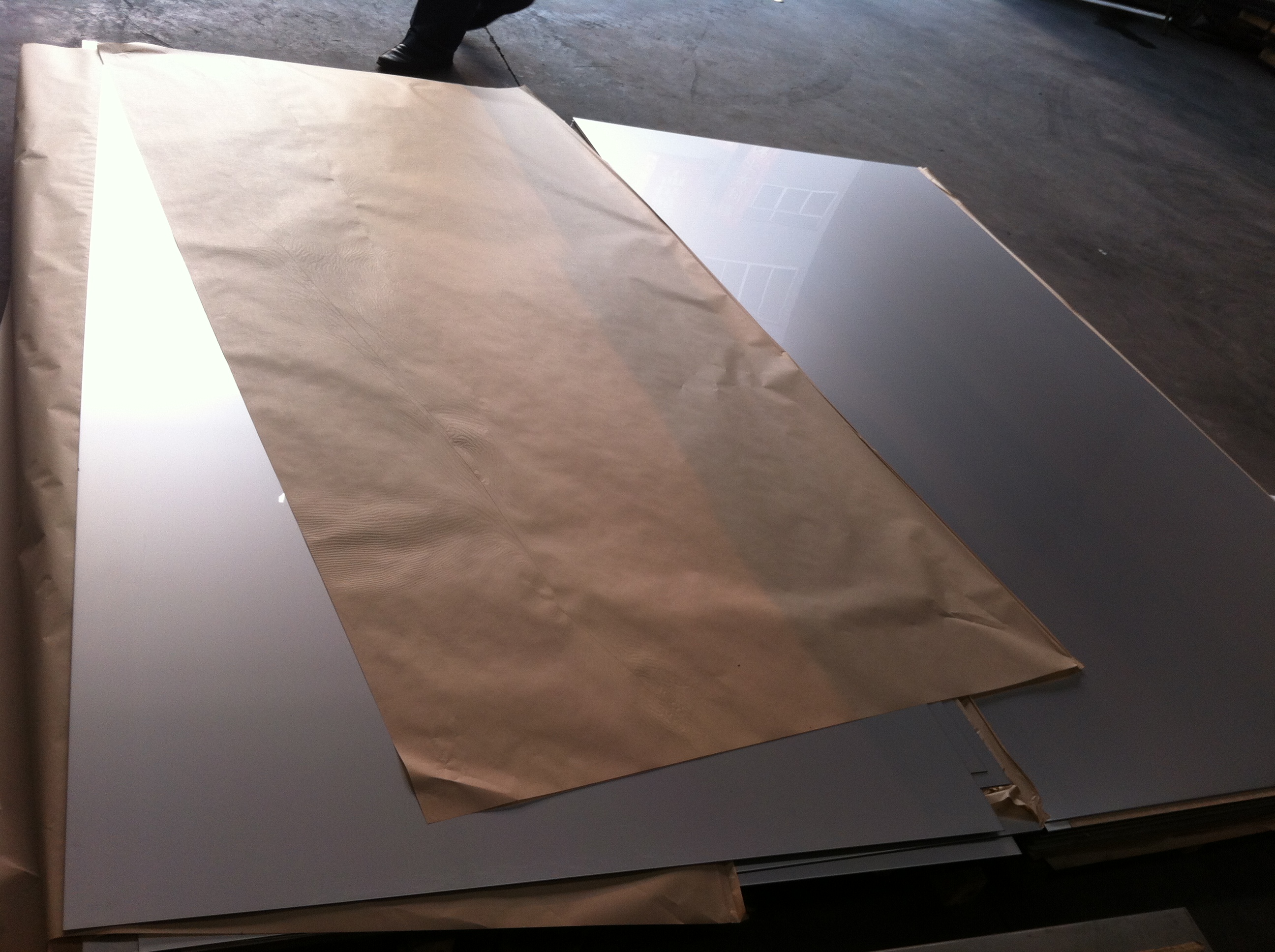
ASTM A240 321H equivalents unlocks global flexibility, with grades like EN 1.4878, JIS SUS321H, and BS 321S51 o
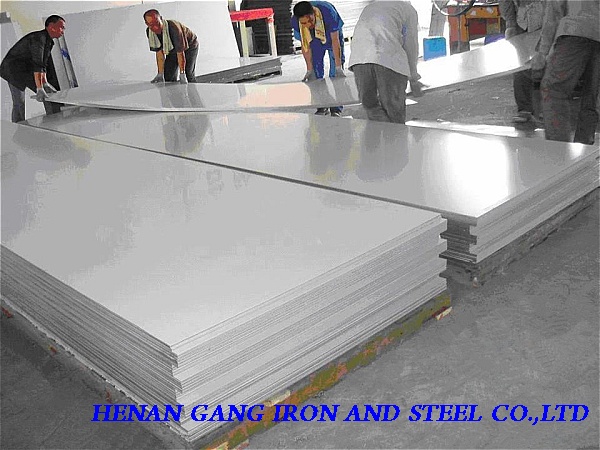
ASTM A240 Grade 304L (S30403) from Gangsteel is the weld-ready austenitic essential, its low-C design conquerin
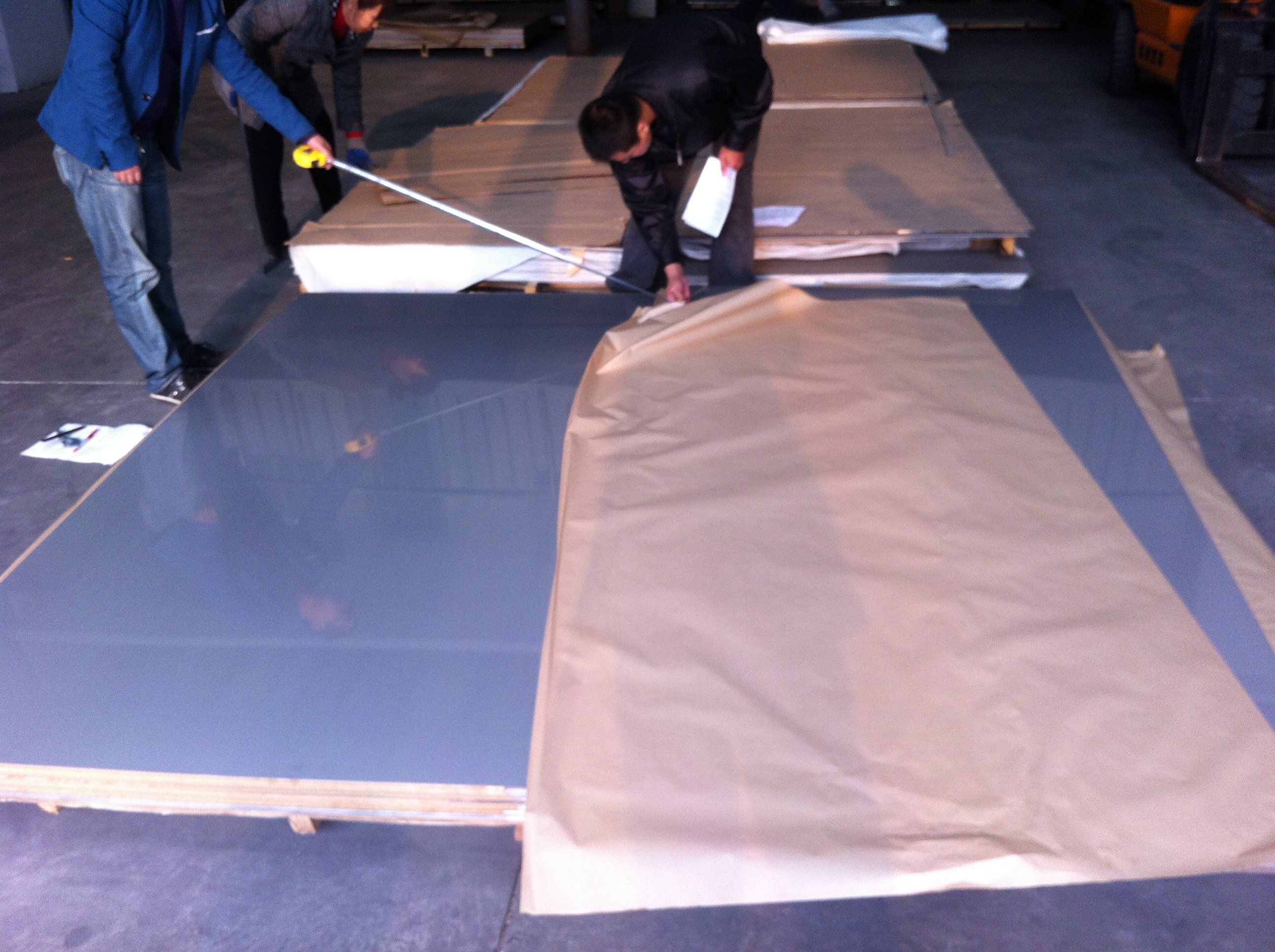
ASTM A240 Grade 304 (S30400) stainless steel plate from Gangsteel is the gold standard for affordable durabilit
ASTM A240 Grade 304H (UNS S30409) is an austenitic stainless steel variant of the widely used Type 304 family,


