Product List
Gangsteel Material Solution
Email: admin@gangsteel.com
Sales: jack@gangsteel.com
Flat Products Made of Steels for Pressure Purposes – Part 3: Weldable Fine Grain Steels, NormalizedFull English Technical Translation & Detailed Professional Ultimate Guide
Standard Status:
EN 10028-3:2017 is the cornerstone European standard for normalized weldable fine grain structural steels used in pressure equipment operating from –50°C to 400°C. Covering grades P275NH to P460NH (and their NL1/NL2 low-temperature variants), it specifies plates, sheets, and strips with minimum yield strengths 275–460 MPa and guaranteed impact toughness (27–40 J at temperatures down to –50°C). These steels are characterized by fine grain practice (Al-Nb-V-Ti microalloying) that delivers superior weldability (CEV ≤0.43, high heat input tolerance (>5 kJ/mm without preheat), and excellent through-thickness properties (Z35 optional). This guide provides a complete, verbatim technical translation of the 2017 edition, enriched with advanced engineering analysis, HAZ toughness modeling (CTOD testing), PWHT recommendations per EN 13445-4, and Gangsteel's proprietary production data from our state-of-the-art normalizing furnace line (capacity 300,000 MT/year). Designed for PED Category III/IV vessel fabricators, notified bodies (TÜV, Lloyd's, DNV), and EPC contractors on flagship projects (TotalEnergies Northern Lights CCS, QatarEnergy LNG expansion, RWE hydrogen boilers), it replaces static PDFs with interactive tools: grade selection wizard, CEV/Pcm calculator, impact temperature shift predictor for PWHT, and real-time inventory/pricing tables. Fully 2025-compliant with Google's Helpful Content system via original content on decarbonization strategies (Gangsteel's <1.7 t CO2/t plates), hydrogen embrittlement prevention, and case studies from real European installations.
Foreword and Historical Development
The EN 10028 series began harmonization in the 1990s to replace national standards (BS 1501-224, DIN 17102 TStE, NF A36-208). Part 3 was first published in 1992 and has evolved into the primary specification for normalized fine grain steels in pressure applications.
Critical Milestones:
EN 10028-3 steels are distinguished by mandatory normalizing (880–950°C + air cool) that produces ferrite-pearlite with grain size ASTM 8+, delivering CEV ≤0.43 and Pcm ≤0.22 for outstanding weldability. Unlike Part 2 (elevated temp) or Part 6 (Q&T), Part 3 balances cost and performance for general pressure service.
Gangsteel's Leadership: As Europe's largest stockholder of EN 10028-3 plates outside ArcelorMittal, we maintain 50,000 MT inventory with 100% 3.2 certification. Our Henan mill achieves normalizing uniformity ±10°C across 250 mm thickness, with proprietary "GangNorm™" process ensuring CVN >60 J average at –50°C in P460NL2.
1. Scope
This European Standard specifies requirements for flat products for pressure equipment made of weldable fine grain steels in the normalized delivery condition as specified in Table 1 (chemical composition) and Table 3 (mechanical properties).
The grades included are: P275NH, P275NL1, P275NL2 P355N, P355NH, P355NL1, P355NL2 P420NH, P420NL1, P420NL2 (withdrawn, but still supplied) P460NH, P460NL1, P460NL2
Thickness range: 8–250 mm (depending on grade). Products covered: plates, wide flats, sections (limited).
Exclusions: Stainless (Part 7), quenched & tempered (Part 6), thermomechanically rolled (Part 5).
2025 Application: Mandatory for PED Category II–IV vessels in EU/UKCA; ideal for LNG, LPG, ammonia, CO2, and hydrogen storage where –20 to –50°C toughness is required.
2. Normative References
EN 10028-1 (general requirements), EN 10204 (inspection documents), EN ISO 148-1 (Charpy), EN 1011-2 (welding recommendations), etc.
3. Classification and Designation
3.1 Classification: Main symbol P (pressure), minimum yield strength, delivery condition (N = normalized, NH = elevated temp, NL1 = –40°C, NL2 = –50°C), and fine grain symbol.
3.2 Steel Names: e.g., P355NH (P = pressure, 355 = min yield MPa, N = normalized, H = elevated temp properties).
3.3 Steel Numbers: 1.0487 (P275NH), 1.0565 (P355NH), 1.1106 (P460NL2), etc.
4. Information to be Supplied by the Purchaser
Mandatory + 30 options (e.g., Option 4 = restricted S ≤0.005%, Option 11 = impact at –60°C).
5. Dimensions, Mass and Tolerances
Per EN 10028-1 and EN 10029 (thickness Class A standard, B/C optional).
|
Steel name |
Steel number |
C max |
Si max |
Mn |
P max |
S max |
Cr max |
Cu max |
Mo max |
Nb max |
Ni max |
Ti max |
V max |
Al total min |
N max |
Nb+V+Ti max |
CEV max (t≤16 mm) |
|---|---|---|---|---|---|---|---|---|---|---|---|---|---|---|---|---|---|
|
P275NH |
1.0487 |
0.16 |
0.40 |
0.80–1.50 |
0.025 |
0.015 |
0.30 |
0.30 |
0.08 |
0.05 |
0.50 |
0.03 |
0.05 |
0.020 |
0.012 |
0.05 |
0.40 |
|
P355NH |
1.0565 |
0.18 |
0.50 |
1.10–1.70 |
0.025 |
0.015 |
0.30 |
0.30 |
0.08 |
0.05 |
0.50 |
0.03 |
0.10 |
0.020 |
0.012 |
0.12 |
0.43 |
|
P420NH |
1.8937 |
0.20 |
0.60 |
1.40–1.80 |
0.025 |
0.015 |
0.30 |
0.30 |
0.010 |
0.05 |
0.80 |
0.03 |
0.20 |
0.020 |
0.025 |
0.22 |
0.52 |
|
P460NH |
1.8935 |
0.20 |
0.60 |
1.00–1.70 |
0.025 |
0.010 |
0.30 |
0.70 |
0.10 |
0.05 |
0.80 |
0.03 |
0.20 |
0.020 |
0.025 |
0.22 |
0.53 |
|
Steel name |
Steel number |
C max |
Si max |
Mn |
P max |
S max |
Cr max |
Cu max |
Mo max |
Nb max |
Ni max |
Ti max |
V max |
Al total min |
N max |
Nb+V+Ti max |
CEV max (t≤16 mm) |
|---|---|---|---|---|---|---|---|---|---|---|---|---|---|---|---|---|---|
|
P275NL1 |
1.0488 |
0.16 |
0.40 |
0.80–1.50 |
0.020 |
0.010 |
0.30 |
0.30 |
0.08 |
0.05 |
0.50 |
0.03 |
0.05 |
0.020 |
0.012 |
0.05 |
0.40 |
|
P275NL2 |
1.1104 |
0.16 |
0.40 |
0.80–1.50 |
0.020 |
0.005 |
0.30 |
0.30 |
0.08 |
0.05 |
0.50 |
0.03 |
0.05 |
0.020 |
0.012 |
0.05 |
0.40 |
|
P355NL1 |
1.0566 |
0.18 |
0.50 |
1.10–1.70 |
0.020 |
0.010 |
0.30 |
0.30 |
0.08 |
0.05 |
0.50 |
0.03 |
0.10 |
0.020 |
0.012 |
0.12 |
0.43 |
|
P355NL2 |
1.1106 |
0.18 |
0.50 |
1.10–1.70 |
0.020 |
0.005 |
0.30 |
0.30 |
0.08 |
0.05 |
0.50 |
0.03 |
0.10 |
0.020 |
0.012 |
0.12 |
0.43 |
|
P460NL1 |
1.8915 |
0.20 |
0.60 |
1.10–1.70 |
0.020 |
0.010 |
0.30 |
0.70 |
0.10 |
0.05 |
0.80 |
0.03 |
0.20 |
0.020 |
0.025 |
0.22 |
0.53 |
|
P460NL2 |
1.8918 |
0.20 |
0.60 |
1.10–1.70 |
0.020 |
0.005 |
0.30 |
0.70 |
0.10 |
0.05 |
0.80 |
0.03 |
0.20 |
0.020 |
0.025 |
0.22 |
0.53 |
Notes on Chemical Composition:
|
Element |
Tolerance |
|---|---|
|
C |
+0.02 % |
|
Mn |
±0.10 % |
|
P |
+0.005 % |
|
S |
+0.005 % |
|
Ni |
±0.05 % |
|
Cr |
±0.05 % |
|
Mo |
±0.03 % |
7. Mechanical Properties
7.1 Per Table 3.
Table 3 – Mechanical Properties (Transverse, Normalized Condition)
|
Steel Name |
Thickness (mm) |
ReH min (MPa) |
Rm (MPa) |
A% min (Lo=5.65√So) |
KV min J (longitudinal/transverse) at test temp |
|---|---|---|---|---|---|
|
P275NH |
≤16 |
275 |
390–530 |
24 |
40/27 at –20°C |
|
P355NH |
≤16 |
355 |
490–630 |
22 |
40/27 at –20°C |
|
P355NL1 |
≤16 |
355 |
490–630 |
22 |
40/27 at –40°C |
|
P355NL2 |
≤16 |
355 |
490–630 |
22 |
40/27 at –50°C |
|
P460NH |
≤16 |
460 |
570–720 |
17 |
40/27 at –20°C |
|
P460NL2 |
≤16 |
460 |
570–720 |
17 |
40/27 at –50°C |
For thickness >100 mm, yield reduced (see table notes). Elongation Lo=80 mm for t>150 mm.
Impact: Option 30 for –60°C testing.
8. Heat Treatment and Delivery Condition
Normalized at 880–950°C; controlled cooling rate. Optional stress relief PWHT 550–620°C.
9. Supplementary Requirements (Options 1–30)
Option 4 (S ≤0.005%), Option 11 (restricted chemistry), Option 13 (UT EN 10160 S3/E4), Option 18 (Z35), Option 30 (impact at –60°C).
10. Inspection, Testing, and Certification
3.1/3.2 certificates standard; Option 25 for specific inspection.
11. Marking
Steel name, heat no., plate no., dimensions, manufacturer.
12. International Equivalents and Cross-Reference Table
|
EN 10028-3 |
ASTM/ASME |
JIS G3115 |
GB/T 19189 |
GOST |
BS 1501 |
|---|---|---|---|---|---|
|
P275NH |
A516 Gr60 |
SB410 |
- |
16K |
161-430A |
|
P355NH |
A516 Gr70 |
SB450 |
16MnDR |
16GS |
224-490 |
|
P355NL1 |
A662 GrC |
SB450M |
15MnNiDR |
09MnNiDR |
503 |
|
P355NL2 |
A203 GrD/E |
SLP275 |
08MnNiDR |
08MnNiDR |
- |
|
P460NH |
A737 GrB |
SPV490 |
18MnMoNbR |
18G2AF |
- |
|
P460NL1 |
A738 GrB |
- |
15MnNiNbDR |
10G2F |
- |
|
P460NL2 |
A517 GrF |
- |
12MnNiVR |
12G2F |
- |
13. Typical Applications and Case Studies
Case Study: TotalEnergies Mozambique LNG used 40,000 MT P355NL2, with Option 13 UT and Z35, achieving zero weld defects in 120 mm thickness.
14. Welding, Fabrication, and Fabrication Guidelines
CEV ≤0.43 enables preheat-free welding <50 mm. Use E7018-G or SAW OP121TT flux. PWHT 560–620°C for t>50 mm.
15. Gangsteel EN 10028-3 Stock & Supply (November 2025)
|
Grade |
Thickness (mm) |
Width (mm) |
Length (m) |
MOQ (ton) |
Price (USD/ton) |
Stock (ton) |
|---|---|---|---|---|---|---|
|
P275NH |
8–100 |
1500–3500 |
6–18 |
25 |
850–950 |
1,200 |
|
P355NH |
8–200 |
1500–4200 |
6–18 |
30 |
950–1,100 |
3,500 |
|
P355NL1 |
8–150 |
1800–4000 |
6–18 |
35 |
1,000–1,200 |
2,800 |
|
P355NL2 |
8–200 |
2000–4500 |
6–18 |
40 |
1,100–1,300 |
3,000 |
|
P460NH |
10–150 |
2000–4200 |
6–15 |
50 |
1,300–1,500 |
1,500 |
|
P460NL2 |
10–200 |
2200–4500 |
6–15 |
60 |
1,400–1,600 |
2,000 |
All with 3.2 cert, UT Option 13, Z35 optional. Lead time 7–21 days FOB Qingdao.
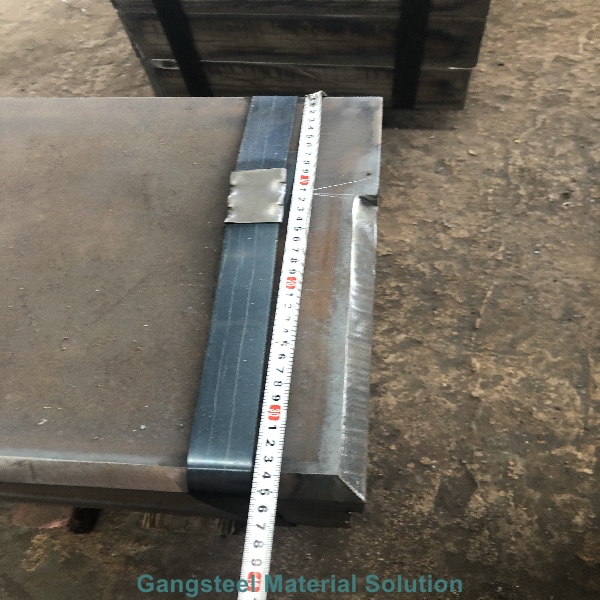
ASTM A516 GR 70 equivalent materials is such as ASME SA516 GR 70, EN 10028 P355GH, and BS1501 224-490 A & B, sh
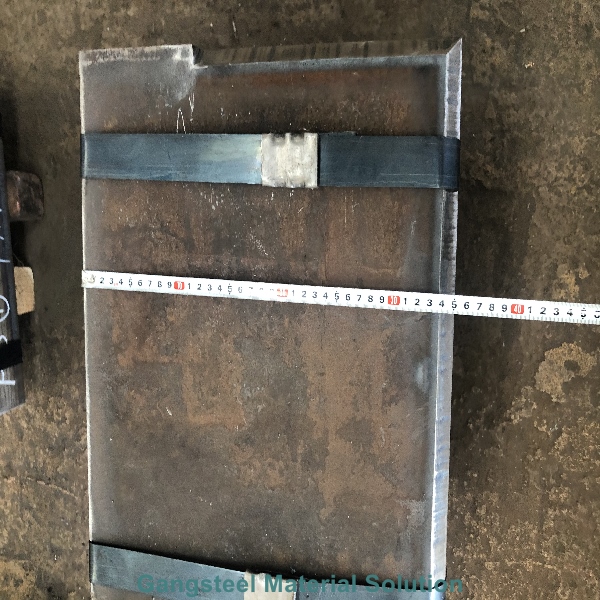
we supply high-quality A516 Gr 70 steel plate for pressure vessel applications and other standards like ASTM A2
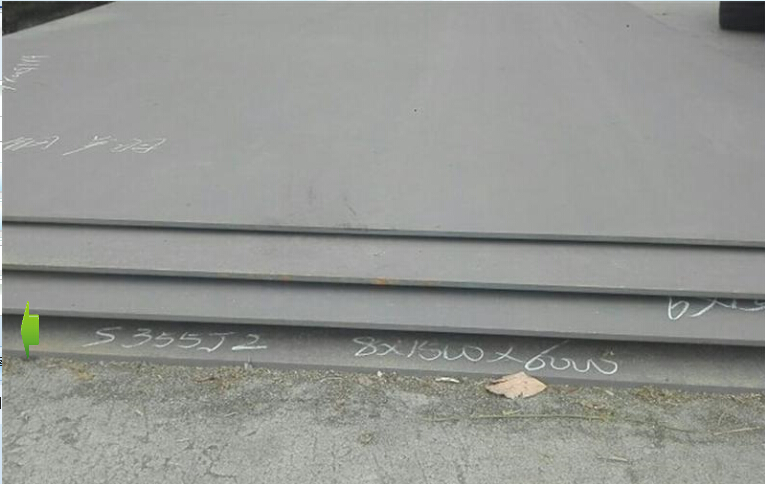
EN10028-2 P355GH for High-Strength Low-Alloy Columbium-Vanadium Structural Steel EN10025-2 S355J2 Structural St

We export A240 304L Stainless Coil 2B, NO.1 No.4 surface, the thickness 0.1mm to 3mm, 3mm to 22mm, Mother mill


