Product List
Gangsteel Material Solution
Email: admin@gangsteel.com
Sales: jack@gangsteel.com
Gangsteel is a premier manufacturer and exporter specializing in high-quality ASTM A240 UNS S40903 (409L) stainless steel plates and coils. As a titanium-stabilized, low-carbon ferritic grade, 409L offers an optimal balance of cost-effectiveness, high-temperature oxidation resistance, and excellent fabricability. Compliant with ASTM A240/A240M (Chromium and Chromium-Nickel Stainless Steel Plate, Sheet, and Strip for Pressure Vessels and for General Applications), our 409L products are produced in both hot-rolled and cold-rolled conditions to serve global automotive exhaust, heat exchanger, and industrial fabrication markets.
This detailed product overview covers ASTM A240 specifications, chemical composition, equivalent materials comparison (via table), mechanical and physical properties, manufacturing details, applications, and why Gangsteel stands out as your reliable supplier.
ASTM A240 Specification Overview for 409L
ASTM A240is the primary standard for chromium and chromium-nickel stainless steel plates, sheets, and strips used in pressure vessels and general applications. For UNS S40903 (Type 409L), it defines strict requirements for chemical composition, mechanical properties, heat treatment, finish, dimensions, and testing.
Key ASTM A240 requirements for 409L include:
Gangsteel ensures every coil and plate meets or exceeds ASTM A240 requirements, with full material test certificates (EN 10204 3.1) provided.
Chemical Composition per ASTM A240 UNS S40903 (409L)
The low carbon content (max 0.03%) and titanium stabilization distinguish 409L from standard 409, improving weldability and preventing carbide precipitation in heat-affected zones.
Typical ASTM A240 chemical composition requirements for UNS S40903:
Gangsteel maintains tight controls within these limits, with actual values often at the lower end for enhanced performance.
Equivalent Materials Comparison Table
409L (UNS S40903) has close equivalents across major international standards. The table below compares key designations and highlights minor differences (primarily in stabilization and carbon limits).
|
Standard |
Grade/Designation |
UNS No. |
EN / W.Nr. |
JIS |
GB / China |
Key Notes / Differences |
|---|---|---|---|---|---|---|
|
ASTM A240 |
409L |
S40903 |
- |
SUS409L |
022Cr11Ti |
Low C (≤0.03%), Ti-stabilized, best weldability |
|
ASTM A240 |
409 |
S40900 |
- |
SUH409 |
- |
Higher C (≤0.08%), slightly inferior weldability |
|
EN 10088-2 |
X2CrTi12 |
- |
1.4512 |
- |
- |
Equivalent to 409L, Ti min 6×(C+N) |
|
JIS G4304/5 |
SUS409L |
- |
- |
SUS409L |
- |
Direct match, common in Asian markets |
|
GB/T 20878 |
022Cr11Ti |
- |
- |
- |
022Cr11Ti |
Low C version, Ti-stabilized |
|
Other |
- |
- |
- |
- |
- |
Often cross-referenced as 409L / 1.4512 |
Comparison Insight: 409L offers superior weld performance over standard 409 due to lower carbon, reducing sensitization risk. EN 1.4512 and JIS SUS409L are functionally interchangeable with ASTM A240 UNS S40903 in most applications.
Mechanical Properties per ASTM A240
In the annealed condition, 409L provides good strength and excellent ductility:
Gangsteel's material typically exceeds these minima, supporting deep drawing and complex forming without cracking.
Physical Properties
These values ensure excellent thermal cycling resistance in exhaust systems.
Hot-Rolled vs Cold-Rolled Production at Gangsteel
Hot-Rolled Plates/Coils(3.0–12.0 mm thick, up to 50 mm for cut plates): Slabs heated to 1150–1250°C, rolled, annealed, and pickled (No.1 finish). Ideal for structural exhaust components requiring toughness.
Cold-Rolled Coils/Sheets(0.3–3.0 mm thick): Hot-rolled coils further processed via annealing, pickling, and precision cold reduction for 2B/2D finishes. Superior surface quality, tight tolerances (±0.02 mm), and enhanced formability for precision parts like muffler shells.
Both undergo full solution annealing and rapid cooling to optimize ferritic microstructure. In-line testing (eddy current, gauge control) ensures defect-free delivery.
Available Sizes and Finishes
All compliant with ASTM A240/A480 tolerances.
Primary Applications
409L's oxidation resistance up to 800°C and cost advantage over austenitic grades make it dominant in exhaust fabrication.
Advantages and Performance Highlights
Compared to standard 409, 409L's lower carbon enhances long-term durability in welded structures.
Corrosion and Oxidation Behavior
Forms stable Cr oxide layer; resists exhaust acids (pH 2–4) and road salt. Cyclic oxidation tests show minimal scaling after extended exposure at 750°C.
Weldability and Fabrication
Supports TIG/MIG/laser welding; Ti stabilization prevents intergranular corrosion. Use 409Cb or ER309 fillers for dissimilar joints. Low heat input recommended to minimize grain growth.
Why Gangsteel for ASTM A240 409L?
Gangsteel delivers traceable, high-performance 409L backed by ISO 9001 quality systems and third-party inspections (SGS, BV, TUV).
Conclusion
ASTM A240 UNS S40903 (409L)stainless steel plates and coils from Gangsteel provide proven reliability for high-temperature, mildly corrosive environments at an attractive cost. With equivalent grades like EN 1.4512, JIS SUS409L, and GB 022Cr11Ti, our material integrates seamlessly into global supply chains.
Contact Gangsteel for quotations, samples, or technical data on ASTM A240 409L stainless steel plates and coils. Partner with us for consistent quality and on-time delivery.
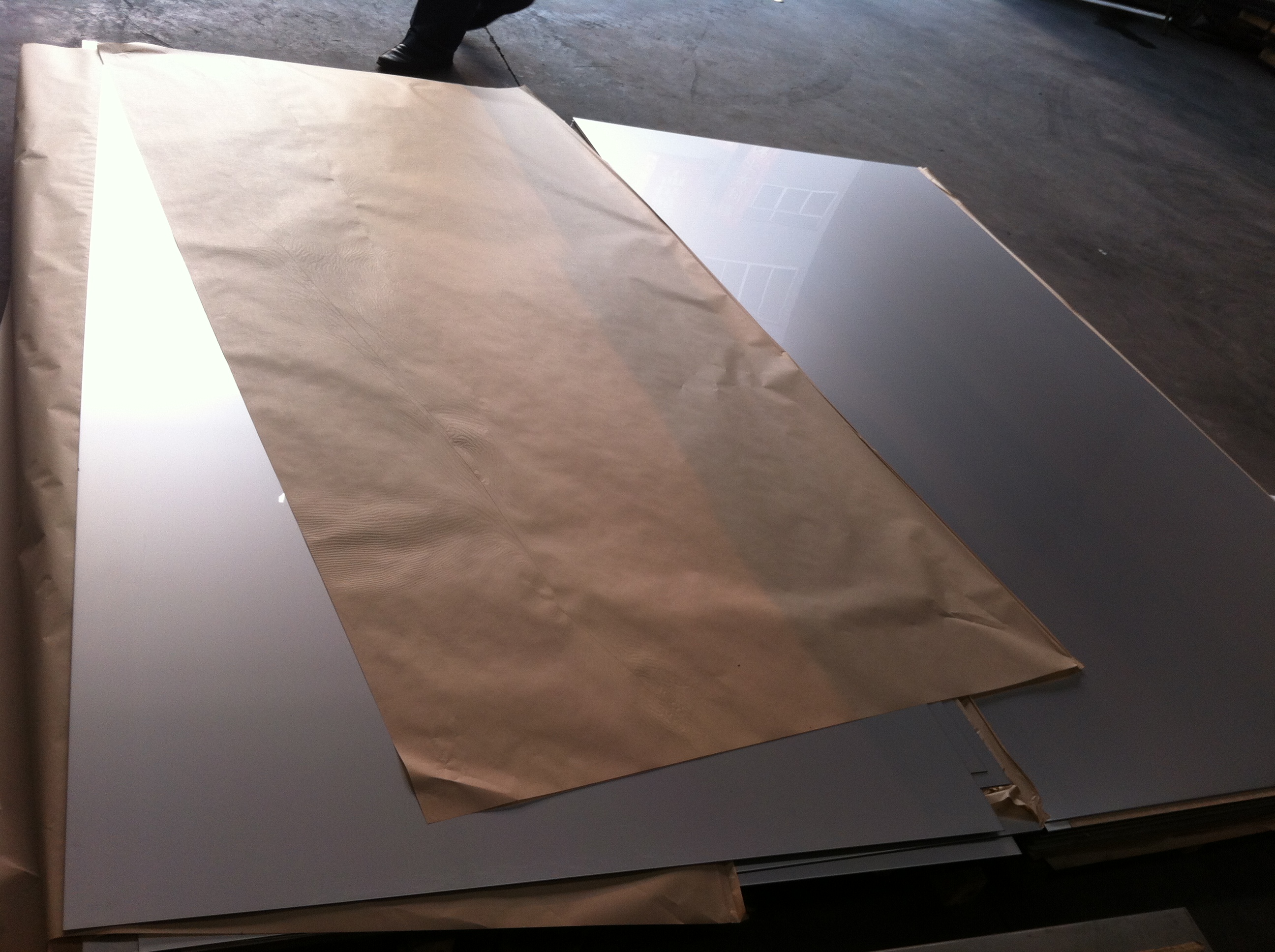
ASTM A240 321H equivalents unlocks global flexibility, with grades like EN 1.4878, JIS SUS321H, and BS 321S51 o
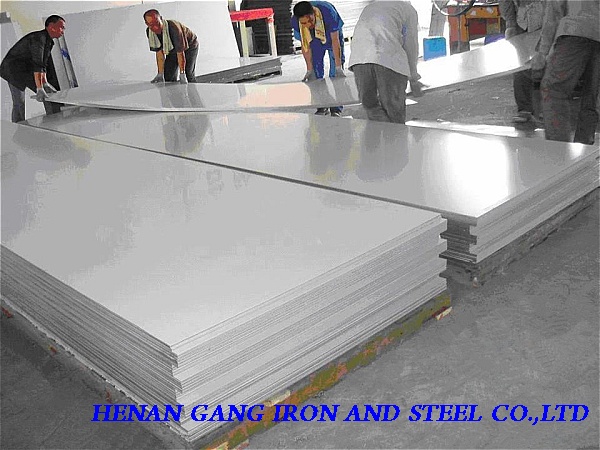
ASTM A240 Grade 304L (S30403) from Gangsteel is the weld-ready austenitic essential, its low-C design conquerin
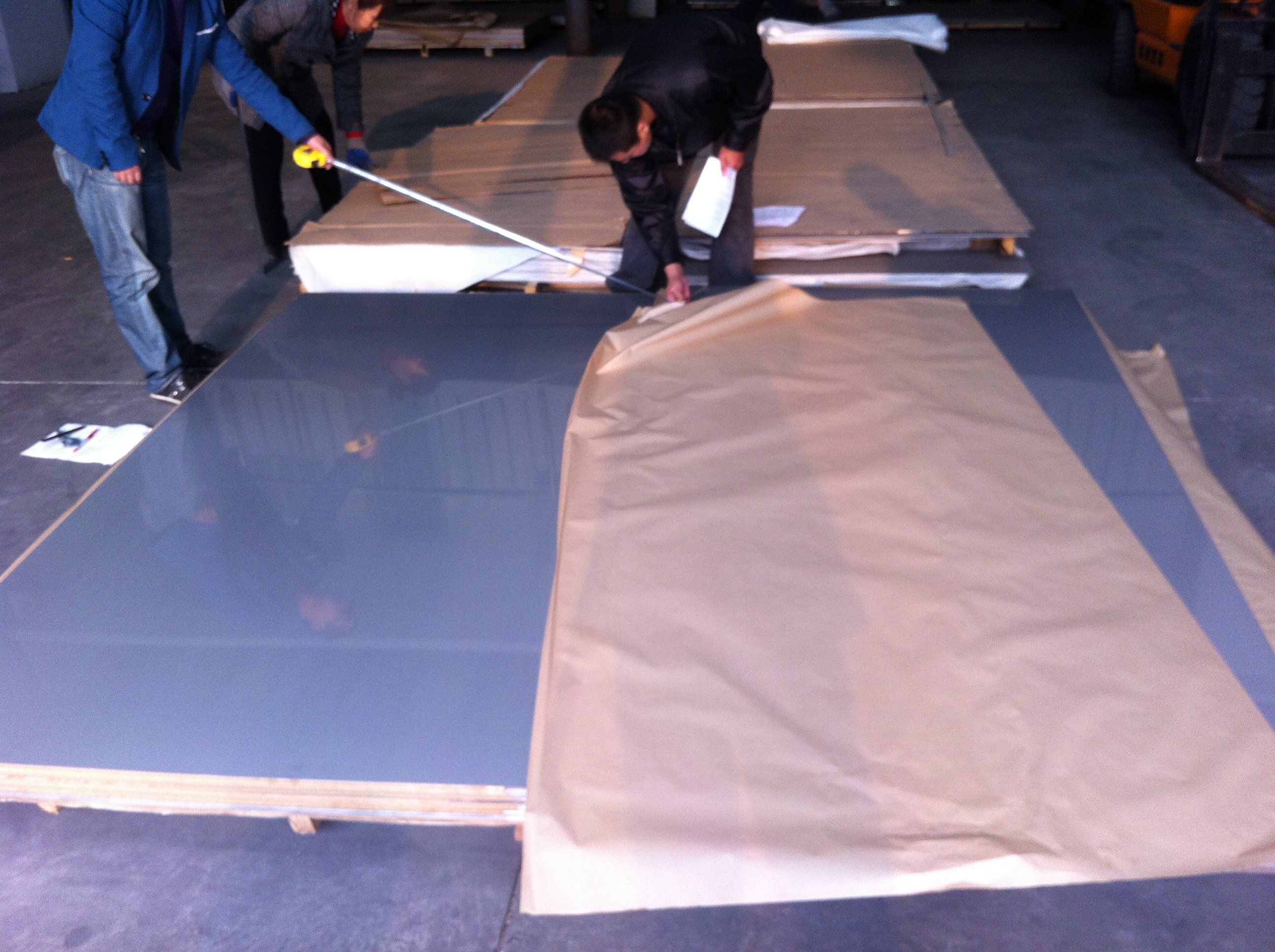
ASTM A240 Grade 304 (S30400) stainless steel plate from Gangsteel is the gold standard for affordable durabilit
ASTM A240 Grade 304H (UNS S30409) is an austenitic stainless steel variant of the widely used Type 304 family,


