


A516Gr70 + 316L Clad Plate for Pressure Vessels
Gangsteel, a premier manufacturer and exporter of pressure vessel and boiler steel plates, supplies high-quality ASTM A516 GR 70 clad with 316L stainless steel plates, engineered for demanding applications in industries such as oil and gas, petrochemical, and chemical processing. The combination of ASTM A516 GR 70 as the base material and 316L stainless steel as the cladding layer offers superior corrosion resistance, high strength, and cost-effectiveness for pressure vessels. This article details the chemical composition, mechanical properties, and key benefits of A516Gr70 + 316L clad plates, providing critical insights for engineers and fabricators.
Chemical Composition
The A516Gr70 + 316L clad plate combines the robust carbon steel base of ASTM A516 GR 70 with the corrosion-resistant 316L stainless steel cladding. The table below outlines the chemical compositions of both layers:
|
Element |
ASTM A516 GR 70 (% by weight) |
316L Stainless Steel (% by weight) |
|---|---|---|
|
Carbon (C) |
0.27 max |
0.03 max |
|
Manganese (Mn) |
0.85–1.20 |
2.00 max |
|
Phosphorus (P) |
0.035 max |
0.045 max |
|
Sulfur (S) |
0.035 max |
0.030 max |
|
Silicon (Si) |
0.15–0.40 |
0.75 max |
|
Aluminum (Al) |
0.02 min (for killed steel) |
- |
|
Chromium (Cr) |
- |
16.0–18.0 |
|
Nickel (Ni) |
- |
10.0–14.0 |
|
Molybdenum (Mo) |
- |
2.0–3.0 |
|
Iron (Fe) |
Balance |
Balance |
Key Notes:
- A516 GR 70 Base: Low carbon (0.27% max) and manganese (0.85–1.20%) ensure high strength and weldability, while low phosphorus and sulfur (0.035% max) enhance toughness.
- 316L Cladding: Low carbon (0.03% max), high chromium (16.0–18.0%), nickel (10.0–14.0%), and molybdenum (2.0–3.0%) provide superior corrosion resistance, particularly in acidic and chloride-rich environments.
- Fully Killed Steel: Aluminum in A516 GR 70 ensures uniformity, supporting strong bonding with the 316L cladding.
Gangsteel’s A516Gr70 + 316L clad plates meet ASME SA516 GR 70 standards for the base material, with rigorous testing to ensure cladding integrity.
Mechanical Properties
The mechanical properties of ASTM A516 GR 70 provide structural strength, while the 316L cladding enhances corrosion resistance. The table below summarizes the properties of the A516 GR 70 base:
|
Property |
Value (ASTM A516 GR 70) |
|---|---|
|
Tensile Strength |
485–620 MPa (70–90 ksi) |
|
Yield Strength (min) |
260 MPa (38 ksi) |
|
Elongation (min, 200 mm) |
17% |
|
Elongation (min, 50 mm) |
21% |
|
Hardness (HB, typical) |
140–200 HB |
|
Impact Toughness (Charpy V-notch) |
Meets ASTM requirements at -46°C |
Highlights:
- Tensile Strength: The 485–620 MPa range ensures the base plate withstands high-pressure conditions in pressure vessels.
- Yield Strength: A minimum of 260 MPa supports structural integrity.
- Elongation: 17–21% ductility enables fabrication without compromising strength.
- Impact Toughness: Performance at -46°C ensures reliability in low-temperature applications.
The 316L stainless steel cladding typically has a tensile strength of 485–620 MPa, aligning closely with the base material, and offers excellent corrosion resistance. Compared to ASTM A516 GR 65 (450–585 MPa) and ASTM A516 GR 60 (415–550 MPa), ASTM A516 GR 70 provides superior strength for clad pressure vessel applications.
Benefits of A516Gr70 + 316L Clad Plate
The A516Gr70 + 316L clad plate offers unique advantages for pressure vessels in demanding environments:
- Superior Corrosion Resistance: The 316L stainless steel cladding provides exceptional resistance to corrosion in acidic, chloride-rich, and sour service environments (e.g., H2S in oil and gas), significantly extending vessel service life.
- High Structural Strength: The ASTM A516 GR 70 base delivers high tensile strength (485–620 MPa) and toughness, ideal for high-pressure and low-temperature conditions (-46°C).
- Cost-Effectiveness: Combining a carbon steel base with a thin 316L cladding layer reduces costs compared to solid stainless steel plates, offering economic benefits without sacrificing performance.
- Enhanced Weldability: The low carbon content of both A516 GR 70 and 316L ensures reliable welding with minimal risk of cracking, suitable for complex vessel fabrication.
- Versatility in Harsh Conditions: Ideal for applications requiring both high strength and corrosion resistance, such as LNG storage, petrochemical reactors, and sour service vessels.
- Customizable Cladding Thickness: Gangsteel offers clad plates with 316L cladding thicknesses (typically 2–10 mm) tailored to specific corrosion requirements, optimizing performance and cost.
Weldability
A516Gr70 + 316L clad plates are designed for excellent weldability:
- A516 GR 70 Base: Low carbon content (0.27% max) and fully killed nature minimize weld imperfections.
- 316L Cladding: Low carbon (0.03% max) and high alloy content require compatible filler materials (e.g., E309LMo or E316L) to ensure strong welds between the carbon steel base and stainless steel cladding.
-
Best Practices:
- Preheat (100–150°C) for thicker plates (>25 mm) to reduce thermal stress.
- Use low-hydrogen electrodes for the base and stainless steel fillers for the cladding to prevent cracking.
- Perform post-weld heat treatment (PWHT) at 600–650°C for ASME-coded vessels to relieve stresses.
- Conduct non-destructive testing (NDT), such as ultrasonic or radiographic testing, to ensure weld and cladding integrity.
Gangsteel supplies clad plates with optimized bonding, ensuring reliable welding performance for ASME SA516 GR 70 applications.
Applications
A516Gr70 + 316L clad plates are ideal for:
- Pressure Vessels: Used in oil and gas processing, particularly in sour service environments (e.g., H2S-containing systems).
- Petrochemical Reactors: For handling corrosive chemicals, where 316L cladding provides superior protection.
- LNG Storage Tanks: Combining low-temperature toughness (-46°C) with corrosion resistance for cryogenic applications.
- Heat Exchangers: In chemical plants, where durability and corrosion resistance are critical.
Gangsteel’s ASME SA516 GR 70 clad plates meet ASME standards for coded vessels.
Comparison with Other A516 Grades
The table below compares ASTM A516 GR 70 with other A516 grades for clad applications:
|
Grade |
Tensile Strength (MPa) |
Yield Strength (MPa) |
Clad Application Feature |
|---|---|---|---|
|
485–620 |
260 |
High strength, robust cladding base |
|
|
450–585 |
240 |
Balanced strength, cost-effective |
|
|
415–550 |
220 |
High ductility, moderate strength |
|
|
380–515 |
205 |
Entry-level, less robust |
For global equivalents, such as EN P355GH, refer to Gangsteel’s ASME SA516 GR 70 Equivalent Grade guide.
Why Choose Gangsteel?
Gangsteel is a trusted supplier of A516Gr70 + 316L clad plates, offering:
- Certified Quality: Plates undergo ultrasonic testing, Charpy impact tests at -46°C, and chemical analysis to meet ASTM/ASME standards.
- Customization: Clad plates with variable 316L thickness for specific corrosion needs.
- Global Supply: Reliable delivery from China to worldwide markets.
- Technical Support: Guidance on selecting ASTM A516 GR 70 versus ASTM A516 GR 65, ASTM A516 GR 60, or ASTM A516 GR 55.
Gangsteel Solution
A516Gr70 + 316L clad plates combine the strength of ASTM A516 GR 70 with the corrosion resistance of 316L stainless steel, offering unmatched performance for pressure vessels in harsh environments. Gangsteel’s ASME SA516 GR 70 clad plates ensure reliability and compliance for oil, gas, and petrochemical applications. For equivalent standards, explore our ASME SA516 GR 70 Equivalent Grade guide.
Long-Tail Keywords
A516Gr70 316L clad plate, ASTM A516 GR 70 clad pressure vessels, ASME SA516 GR 70 corrosion resistance, A516 GR 70 stainless clad benefits
-

BHW35 Steel Plate for Sale | RF
BHW35 / 13MnNiMo5-4 (DIWA 353 family): identity, chemistry, mechanical properties, related grades, and RFQ note
-
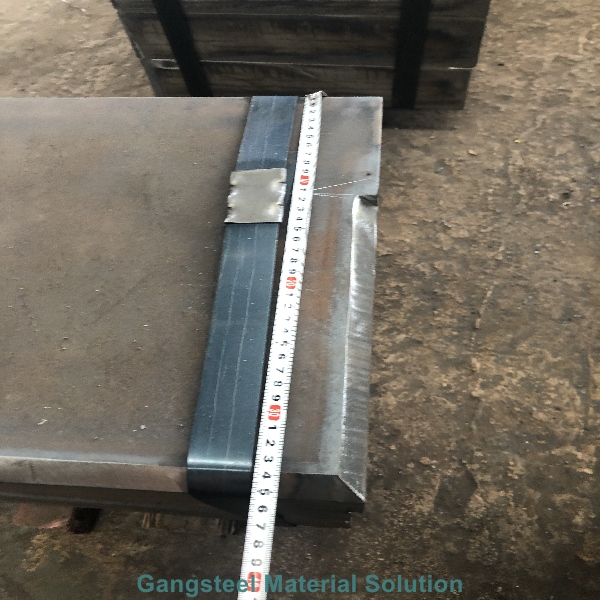
ASTM A516 Grade 70 Equivalent:
ASTM A516 Grade 70 equivalents include ASME SA516 Gr 70, EN 10028-2 P355GH and BS 1501 224-490. Gangsteel compa
-
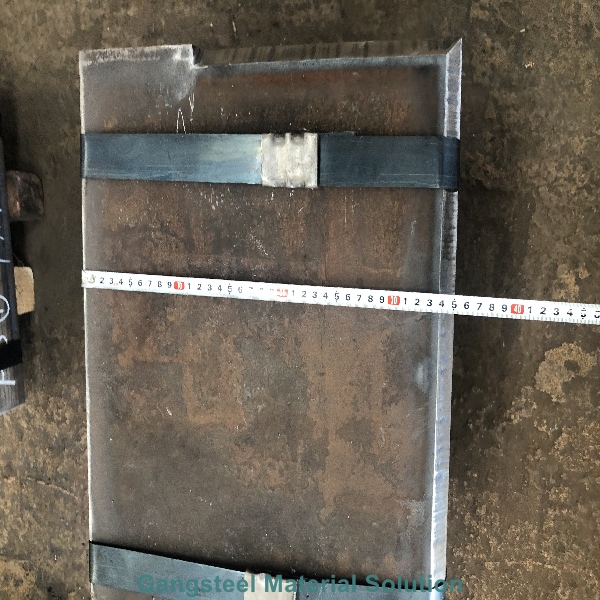
What is the difference between
we supply high-quality A516 Gr 70 steel plate for pressure vessel applications and other standards like ASTM A2
-
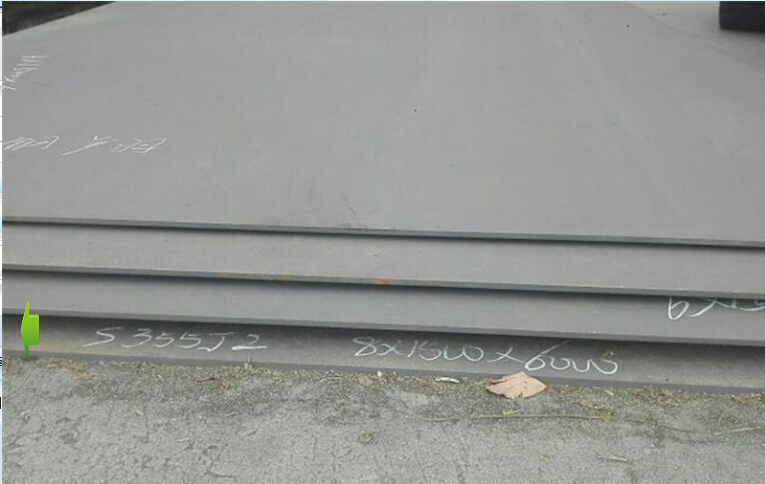
P355GH AND S355J2 Steel Plates
EN10028-2 P355GH for High-Strength Low-Alloy Columbium-Vanadium Structural Steel EN10025-2 S355J2 Structural St