Product List
Gangsteel Material Solution
Email: admin@gangsteel.com
Sales: jack@gangsteel.com
In the stainless steel family, 304 and 304H are both austenitic grades under ASTM A240/ASME SA240 specifications, sharing a common 18-8 Cr-Ni base for general corrosion resistance and formability. However, the key difference lies in their carbon content and intended applications: 304 (UNS S30400) has a maximum carbon of 0.08% for balanced weldability and ambient use, while 304H (UNS S30409) features a higher carbon range of 0.04-0.10% to enhance high-temperature strength and creep resistance. This makes 304H suitable for elevated-temperature service above 500°C (932°F), such as in boilers or superheaters, where standard 304 might soften or deform under prolonged heat. As a leading manufacturer and exporter in China, Gangsteel produces both grades, offering dual-certified materials to ensure seamless transitions between them based on project needs.
The distinction stems from 304H's intentional carbon boost, which promotes carbide precipitation for grain boundary pinning, improving short-term tensile and long-term creep properties at high temps. However, this can reduce weldability compared to 304, potentially requiring annealing to avoid sensitization in thick sections. Both share similar corrosion resistance (PREN ~18-20) in mild atmospheres and dilute acids, but neither excels in chlorides—opt for 316 variants there. At Gangsteel, we mill 304 and 304H from premium AOD-refined melts, with prices around USD 3-5/kg for 304 and 4-6/kg for 304H in November 2025. For our austenitic offerings, check the ASTM A 240/A 240M stainless steel plate range, including ASTM A 240 Gr 304 and high-temp ASTM A 240 Gr 304H.
Long-tail keywords: difference between 304 and 304H stainless steel, ASTM A240 304 vs 304H comparison, S30400 vs S30409 properties, AISI 304 vs 304H high temperature, SA240 304 vs 304H carbon content
The primary distinction starts with chemistry: both are 18-8 austenitic steels, but 304H's elevated carbon is deliberate for thermal performance.
|
Element |
304 (S30400) (%) |
304H (S30409) (%) |
|---|---|---|
|
Carbon (C) |
≤ 0.08 |
0.04 – 0.10 |
|
Chromium (Cr) |
18.0 – 20.0 |
18.0 – 20.0 |
|
Nickel (Ni) |
8.0 – 10.5 |
8.0 – 10.5 |
|
Manganese (Mn) |
≤ 2.0 |
≤ 2.0 |
|
Silicon (Si) |
≤ 0.75 |
≤ 0.75 |
|
Phosphorus (P) |
≤ 0.045 |
≤ 0.045 |
|
Sulfur (S) |
≤ 0.030 |
≤ 0.030 |
|
Nitrogen (N) |
≤ 0.10 |
≤ 0.10 |
|
Iron (Fe) |
Balance |
Balance |
Gangsteel controls 304H carbon at 0.05-0.08% for optimal balance, verified by PMI.
Long-tail keywords: chemical difference 304 vs 304H, ASTM A240 304 vs 304H composition, S30400 vs S30409 carbon levels, AISI 304 vs 304H alloy elements, SA240 304 vs 304H chemistry comparison
While ambient properties are similar, 304H shines at elevated temperatures due to carbon's role in solid-solution hardening and carbide pinning.
|
Property |
304 at 20°C |
304H at 20°C |
304 at 650°C |
304H at 650°C |
|---|---|---|---|---|
|
Tensile Strength (MPa) |
≥515 |
≥515 |
≥280 |
≥310 |
|
Yield Strength (MPa) |
≥205 |
≥205 |
≥120 |
≥140 |
|
Elongation (%) |
≥40 |
≥40 |
≥30 |
≥30 |
|
Hardness (HB max) |
201 |
201 |
- |
- |
Gangsteel’s 304H undergoes solution annealing for uniform properties.
Long-tail keywords: mechanical difference 304 vs 304H, ASTM A240 304 vs 304H properties, S30400 vs S30409 yield tensile, AISI 304 vs 304H creep comparison, SA240 304 vs 304H high temp mechanics
Both offer good corrosion resistance in mild conditions, but differences arise in fabrication and heat exposure.
For welds, both use 308 filler; 304H needs stress-relief for optimal IGC per A262.
Long-tail keywords: corrosion difference 304 vs 304H, ASTM A240 304 vs 304H weldability, S30400 vs S30409 IGC resistance, AISI 304 vs 304H sensitization, SA240 304 vs 304H fabrication comparison
Gangsteel’s 304H in power plants extends life 30% over 304 in heat zones.
Long-tail keywords: applications difference 304 vs 304H, ASTM A240 304 vs 304H uses, S30400 vs S30409 high temp apps, AISI 304 vs 304H boiler suitability, SA240 304 vs 304H industry comparison
Both have equivalents; 304H's high C requires specific high-temp matches.
For 304: EN 1.4301, JIS SUS304, BS 304S31.
For 304H: EN 1.4948, JIS SUS304H, BS 304S51.
Gangsteel dual-certs for swaps.
Long-tail keywords: equivalents 304 vs 304H, ASTM A240 304 vs 304H standards, S30400 vs S30409 international grades, AISI 304 vs 304H DIN EN JIS, SA240 304 vs 304H global matches
Both per SA240; 304H often thicker for heat.
Gangsteel stocks both; custom annealing for 304H.
Long-tail keywords: specs difference 304 vs 304H, ASTM A240 304 vs 304H forms, S30400 vs S30409 plate sheet, AISI 304 vs 304H standards, SA240 304 vs 304H fabrication
November 2025: 304 USD 3-5/kg FOB; 304H 4-6/kg (high C premium). Ni ~$17k/ton affects both; 304H 20% higher for specialized mills. Gangsteel offers bulk discounts.
Long-tail keywords: price difference 304 vs 304H, ASTM A240 304 vs 304H cost, S30400 vs S30409 market rate, AISI 304 vs 304H pricing 2025, SA240 304 vs 304H expense comparison
Q: Main difference in composition?
A: Carbon: 304 ≤0.08%, 304H 0.04-0.10% for high-temp strength.
Q: Which for high temperatures?
A: 304H; better creep above 500°C.
Q: Weldability comparison?
A: 304 better ambient; 304H may need anneal to avoid sensitization.
Q: Corrosion the same?
A: Yes; both PREN 19 for mild conditions.
Q: Applications where 304H preferred?
A: Boilers, furnaces; 304 for general.
Q: Cost difference?
A: 304H 20% higher due to C control.
Q: Equivalents differ?
A: 304H has high-C matches like EN 1.4948; 304 EN 1.4301.
Long-tail keywords: FAQ difference 304 vs 304H, ASTM A240 304 vs 304H questions, S30400 vs S30409 FAQ, AISI 304 vs 304H weld queries, SA240 304 vs 304H temp FAQ
Gangsteel’s 25+ years ensure precision C control in 304H. 120k tons/year exports, ABS/TUV certified. Custom annealing, global delivery. Explore ASTM A 240 Gr 316L.
Long-tail keywords: 304 vs 304H supplier China, S30400 vs S30409 Gangsteel, 304 vs 304H quality, AISI 304 vs 304H source, SA240 304 vs 304H Gangsteel
The difference between 304 and 304H boils down to carbon: 304H's higher level unlocks superior high-temp strength and creep for thermal apps, while 304 offers better weldability for general use. Both share corrosion traits, but choose based on temp demands. Gangsteel supplies both—contact for quotes or data on equivalents like ASTM A 240 Gr 304LN. Select wisely for success.
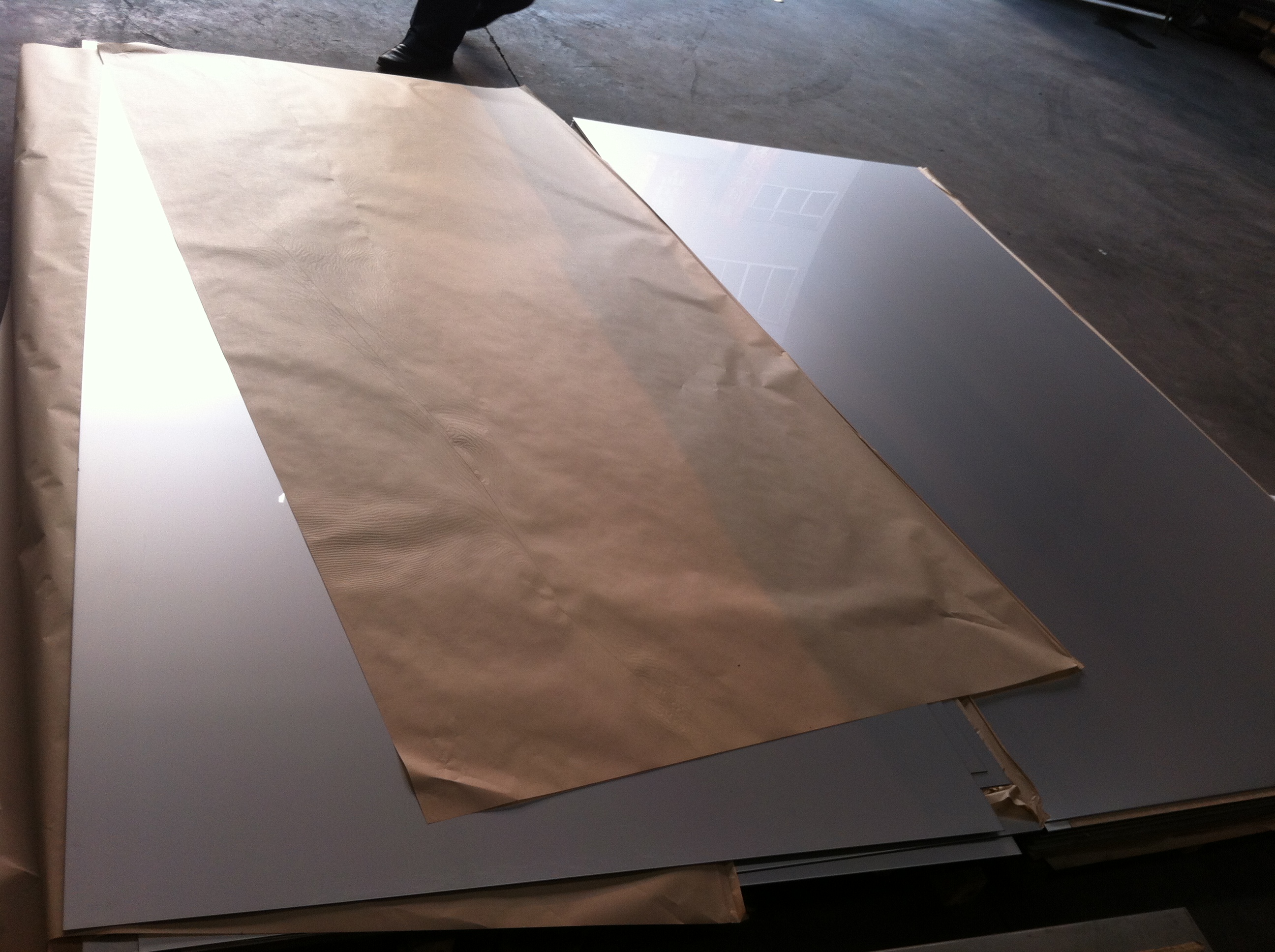
ASTM A240 321H equivalents unlocks global flexibility, with grades like EN 1.4878, JIS SUS321H, and BS 321S51 o
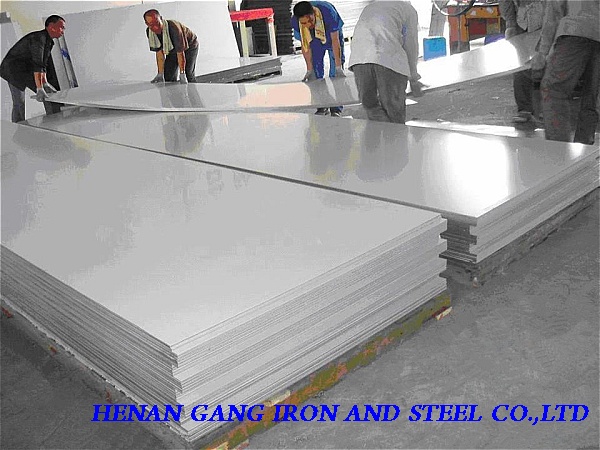
ASTM A240 Grade 304L (S30403) from Gangsteel is the weld-ready austenitic essential, its low-C design conquerin
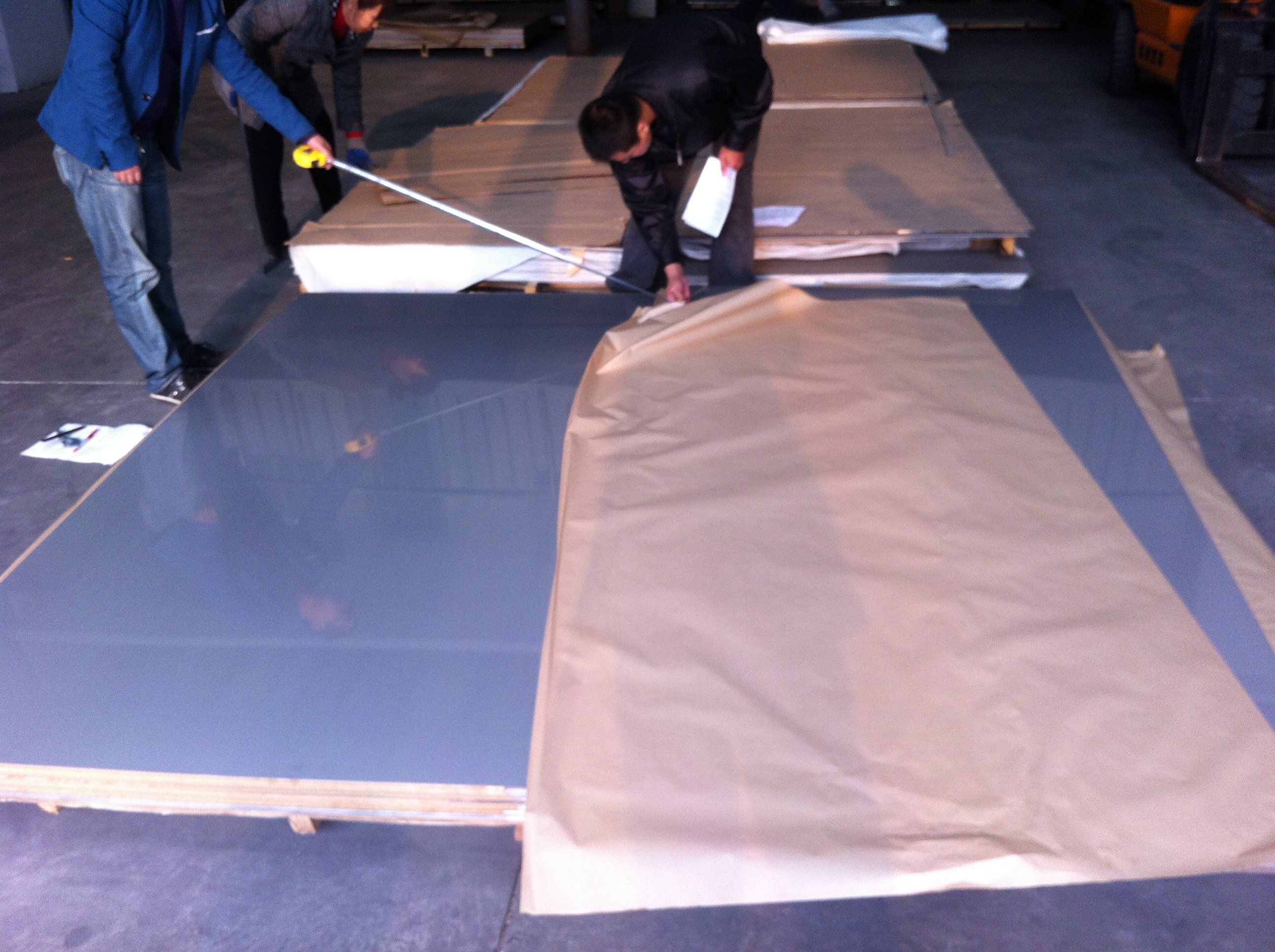
ASTM A240 Grade 304 (S30400) stainless steel plate from Gangsteel is the gold standard for affordable durabilit
ASTM A240 Grade 304H (UNS S30409) is an austenitic stainless steel variant of the widely used Type 304 family,


