Product List
Gangsteel Material Solution
Email: admin@gangsteel.com
Sales: jack@gangsteel.com
When high-temperature performance meets robust corrosion resistance in demanding environments like petrochemical furnaces or power boilers, ASTM A240 Grade 316H (S31609) stainless steel plate delivers as a high-carbon variant of the molybdenum-enhanced 316 family. We also call it A240 Gr 316H in everyday engineering chats (Gr for Grade), A240 SS 316H (SS as shorthand for stainless steel), A240 TP 316H (TP often linked to tubing plate specs), or the classic AISI 316H plate (from the American Iron and Steel Institute era).
Whatever phrase you keyed into your search, you're likely seeking a material that leverages elevated carbon (0.04-0.10%) for superior creep and rupture strength at temps up to 925°C, while the 2-3% molybdenum fends off pitting in chlorides—achieving a PREN of 24-26. At Gangsteel, we melt it through AOD and ESR for precise carbon control, producing plates up to 100mm thick in finishes from No.1 hot-rolled to polished brilliance.
With 25+ years leading China's stainless steel manufacturing and exports, Gangsteel provides ASTM A240 Grade 316H to global heavy industries, certified to ASTM A240 and ASME SA240 for code-compliant use in pressure vessels and heat exchangers. This austenitic grade amps up 316's capabilities with higher carbon for thermal stability, resisting oxidation and carburization where standard 316 might soften. It's a cost-effective bridge to nickel alloys, offering weldability (with annealing recommended) and formability for complex fabrications. Explore our full ASTM A 240/A 240M stainless steel plate range, including related molybdenum grades like ASTM A 240 Gr 316 and ASTM A 240 Gr 316L.
Long-tail keywords: ASTM A240 Grade 316H properties, S31609 stainless steel plate, A240 Gr 316H material specs, AISI 316H equivalent, A240 TP 316H applications
ASTM A240 Grade 316H (UNS S31609) is a high-carbon, molybdenum-alloyed austenitic stainless steel under ASTM A240 for chromium-nickel plates, sheets, and strips in pressure vessels and high-temp service. Designed for ASME boiler code use, its 0.04-0.10% carbon promotes carbide precipitation that pins grains for exceptional creep resistance at 500-800°C, while 2-3% Mo bolsters pitting defense in halides and acids—making it ideal for prolonged exposure in reformers or superheaters. Unlike low-carbon 316L, 316H trades some weldability for thermal prowess, requiring solution annealing at 1040-1175°C (1900-2150°F) to optimize properties and avoid sensitization per ASTM A262.
Evolving from 316 to meet mid-20th-century refinery needs, 316H excels in oxidizing atmospheres with sulfur traces, showing <0.2 mm scale after 10,000 hours at 700°C in our simulated tests. Gangsteel's production uses vacuum induction for tight chemistry, yielding uniform microstructure (grain size 5-7) and low ferrite (<2%) for stability. The 16-18% Cr, 10-14% Ni, and Mo trio forms a durable passive layer, with nitrogen ≤0.10% adding subtle strength. Non-magnetic and tough (Charpy >80J at -196°C), it handles cyclic loads well, with thermal expansion (16.5 × 10⁻⁶/°C) minimizing stresses in welds.
Queries for "A240 SS 316H" often focus on its edge over 316: higher allowable stresses at 600°C (80 MPa vs 70 MPa), per ASME data, suiting it for ethylene crackers. Weld with 316H or 317L filler via SMAW; post-weld anneal for thick sections to restore corrosion resistance. Compared to ASTM A 240 Gr 321H, 316H's Mo adds wet corrosion perks without Ti's potential issues. For projects with sustained heat and mild corrosives—like steam turbines or incinerators—A240 TP 316H's blend of endurance and economy often doubles service life, as seen in our Asian power plant supplies.
Long-tail keywords: what is ASTM A240 Grade 316H, S31609 properties, A240 Gr 316H material overview, AISI 316H stainless steel basics, A240 TP 316H high carbon benefits
ASTM A240 Grade 316H's formulation prioritizes high-temp integrity, per Table 1. Our ladle metallurgy hits exact carbon for creep optimization.
|
Element |
Percentage (%) |
|---|---|
|
Carbon (C) |
0.04 – 0.10 |
|
Chromium (Cr) |
16.0 – 18.0 |
|
Nickel (Ni) |
10.0 – 14.0 |
|
Molybdenum (Mo) |
2.0 – 3.0 |
|
Manganese (Mn) |
≤ 2.0 |
|
Silicon (Si) |
≤ 0.75 |
|
Phosphorus (P) |
≤ 0.045 |
|
Sulfur (S) |
≤ 0.030 |
|
Nitrogen (N) |
≤ 0.10 |
|
Iron (Fe) |
Balance |
Elevated C fosters M23C6 carbides for grain boundary strength; Mo enhances PREN to 24-26 against chlorides. Low P/S minimize embrittlement. Our exposures in boiling HNO3 (ASTM A262-C) confirm <0.05 mm/year IGC post-anneal.
Note: Differs from ASTM A 240 Gr 316L by higher C (no low-C sensitization avoidance); ideal for non-weld heat apps. MTRs include full analysis.
Long-tail keywords: ASTM A240 Grade 316H chemical composition, S31609 alloy elements, A240 Gr 316H chemistry, AISI 316H stainless composition, A240 TP 316H molybdenum carbon
Mechanics of A240 Gr 316H are geared for thermal loads, annealed at 1100°C min.
|
Property |
Value at 20°C (Room Temp) |
Value at 650°C (1200°F) |
|---|---|---|
|
Tensile Strength (MPa) |
≥ 515 (75 ksi) |
≥ 350 (51 ksi) |
|
Yield Strength (MPa) |
≥ 205 (30 ksi) |
≥ 140 (20 ksi) |
|
Elongation (%) |
≥ 40 |
≥ 30 |
|
Reduction of Area (%) |
≥ 50 |
- |
|
Hardness (HB max) |
217 |
- |
|
Modulus of Elasticity (GPa) |
193 |
160 |
Carbon boosts creep rupture >200 MPa at 600°C/10,000h. Fatigue 220 MPa at 10^7 cycles.
Vs ASTM A 240 Gr 316, higher C yields 20% better high-temp strength. Cold-work optional for ambient gains.
Long-tail keywords: ASTM A240 Grade 316H mechanical properties, S31609 tensile strength, A240 Gr 316H yield elongation, AISI 316H hardness data, A240 TP 316H high temp properties
ASME Section II Part D Table 1A guides stresses.
|
Temperature (°C / °F) |
Allowable Stress (MPa / ksi) |
|---|---|
|
100 / 212 |
138 / 20.0 |
|
300 / 572 |
115 / 16.7 |
|
500 / 932 |
96 / 13.9 |
|
600 / 1112 |
80 / 11.6 |
|
700 / 1292 |
60 / 8.7 |
Carbon elevates vs 316L; suits 15 bar at 550°C. Certs with deratings.
Long-tail keywords: ASTM A240 Grade 316H allowable stress, S31609 design values, A240 Gr 316H pressure ratings, AISI 316H stress limits, A240 TP 316H ASME data
Equivalents for interchange.
|
Standard |
Grade/Designation |
Full Spec Details |
|---|---|---|
|
UNS |
S31609 |
UNS S31609 (Unified Numbering System for metals/alloys) |
|
Werkstoff Nr. |
1.4919 |
DIN EN 10088-2/3 (Technical delivery conditions for stainless steels) |
|
EN |
X6CrNiMo17-12-2 |
EN 10028-7 (Flat products for pressure purposes) |
|
ASTM |
A240 Type 316H |
ASTM A240/A240M-22a (Chromium and chromium-nickel stainless steel plate, sheet, and strip for pressure vessels and for general applications) |
|
ASME |
SA-240 Grade 316H |
ASME SA-240/SA-240M (Specification for Chromium and Chromium-Nickel Stainless Steel Plate, Sheet, and Strip for Pressure Vessels and for General Applications) |
|
JIS |
SUS316H |
JIS G4305 (Cold-rolled stainless steel plate, sheet and strip) |
|
AFNOR |
Z6CND17-12 |
NF EN 10088-3 (Technical delivery conditions for semi-finished products, bars, rods, wire, sections and bright products of corrosion resisting steels for general purposes) |
|
BS |
316S51 |
BS 1501-3 (Steels for pressure purposes: plates) |
Dual-certs ensure code compliance.
Long-tail keywords: ASTM A240 Grade 316H equivalents, S31609 international grades, A240 Gr 316H standards, AISI 316H equivalents DIN EN JIS, A240 TP 316H global specs
Comparisons based on lab/field data vs ASTM A 240 Gr 316, ASTM A 240 Gr 316L, ASTM A 240 Gr 321H.
|
Property |
ASTM A240 Gr 316H (S31609) |
ASTM A240 Gr 316 (S31600) |
ASTM A240 Gr 316L (S31603) |
ASTM A240 Gr 321H (S32109) |
|---|---|---|---|---|
|
UNS Number |
S31609 |
S31600 |
S31603 |
S32109 |
|
Type |
Austenitic, Mo, High C |
Austenitic, Mo-bearing |
Austenitic, Mo, Low C |
Austenitic, Ti-stab, High C |
|
Carbon Content |
0.04-0.10% |
≤0.08% |
≤0.03% |
0.04-0.10% |
|
Chromium Content |
16.0-18.0% |
16.0-18.0% |
16.0-18.0% |
17.0-19.0% |
|
Nickel Content |
10.0-14.0% |
10.0-14.0% |
10.0-14.0% |
9.0-12.0% |
|
Molybdenum Content |
2.0-3.0% |
2.0-3.0% |
2.0-3.0% |
- |
|
PREN |
24-26 |
24-26 |
24-26 |
18-20 |
|
Corrosion Resistance |
Superior chlorides/high T |
Superior chlorides |
Superior chlorides/welds |
Good, anti-sensitization |
|
Yield Strength (MPa) |
≥205 |
≥205 |
≥170 |
≥205 |
|
Creep Rupture (MPa at 650°C) |
≥180 |
≥150 |
≥130 |
≥160 |
|
Max Temp (°C) |
925 |
925 |
925 |
925 |
|
Cost (USD/kg) |
5-8 |
5-8 |
5-8 |
5-9 |
|
Applications |
Furnaces, boilers |
Marine, chem |
Pharma, welded tanks |
Exhausts, aircraft |
Pick 316H for hot corrosives, 316 ambient, 316L welds, 321H stab.
Long-tail keywords: ASTM A240 Grade 316H vs 316, 316H vs 316L comparison, A240 Gr 316H vs 321H, AISI 316H alternatives, A240 TP 316H grade differences
Specs with ±0.1mm tolerances.
500 tons stock; 10-15 day delivery.
Long-tail keywords: ASTM A240 Grade 316H plate specs, S31609 sheet dimensions, A240 Gr 316H bar sizes, AISI 316H custom parts, A240 TP 316H finishes
316H suits high-heat corrosives:
Vs ASTM A 240 Gr 316Ti, 316H simpler for non-stab needs.
Long-tail keywords: ASTM A240 Grade 316H applications, S31609 industrial uses, A240 Gr 316H in petrochemical, AISI 316H power generation, A240 TP 316H chemical
As of November 2025, A240 Gr 316H prices range from USD 4-6 per kg (FOB), with hot-rolled around $4.5 per kg based on market quotes, influenced by Mo/Ni (~$18k/ton Ni) and carbon premium. Plates $4.5-5.5/kg; factors: thickness, global energy demand. Gangsteel offers competitive bulk rates.
Long-tail keywords: ASTM A240 Grade 316H price per kg 2025, S31609 cost factors, A240 Gr 316H market price, AISI 316H plate pricing, A240 TP 316H bulk quotes
Q: What is the difference between ASTM A240 Grade 316H and 316?
A: Grade 316H features a higher carbon content (0.04-0.10% vs ≤0.08% in 316), which enhances its creep and rupture strength at elevated temperatures above 500°C, making it better suited for sustained high-heat applications like boilers; both share similar corrosion resistance due to molybdenum, but 316H requires annealing after welding to prevent sensitization, whereas standard 316 offers slightly better ambient weldability without the thermal focus.
Q: Is ASTM A240 Grade 316H suitable for high-temperature service?
A: Yes, it's optimized for temperatures up to 925°C intermittent or 870°C continuous, where its elevated carbon promotes carbide formation for superior creep resistance (e.g., holding 80 MPa stress at 600°C with minimal deformation over 10,000 hours), outperforming low-carbon variants in oxidizing or carburizing atmospheres like those in petrochemical furnaces.
Q: What welding methods are recommended for ASTM A240 Grade 316H?
A: Use GTAW or SMAW with 316H or 317L fillers, keeping heat input low (<1.5 kJ/mm) to minimize distortion; post-weld solution annealing at 1040-1175°C followed by rapid quench is advised for sections over 6mm to restore corrosion resistance and avoid intergranular attack, as per AWS guidelines and ASTM A262 testing.
Q: What is the maximum temperature for ASTM A240 Grade 316H?
A: Continuous service up to 870°C and intermittent to 925°C, beyond which accelerated scaling or sigma phase formation may occur; at these temps, it retains over 60% of room-temperature strength, with allowable stresses dropping to 60 MPa at 700°C per ASME codes, making it reliable for boiler components under cyclic thermal loads.
Q: Is ASTM A240 Grade 316H magnetic?
A: It's non-magnetic in the annealed condition due to its fully austenitic structure, but heavy cold-working can induce up to 10-15% martensite, causing slight magnetism; full annealing restores non-magnetic properties, which is crucial for applications like MRI equipment or non-sparking tools.
Q: What sizes are available for ASTM A240 Grade 316H plates?
A: Standard thicknesses range from 3mm to 100mm for plates, with widths up to 2500mm and lengths to 12000mm; sheets go down to 0.5mm, and custom cuts via plasma or waterjet can achieve tolerances of ±0.1mm, with options for coiled sheet in lighter gauges for continuous processing.
Q: How does ASTM A240 Grade 316H compare to 316L in corrosion resistance?
A: Both offer similar pitting and crevice corrosion resistance (PREN 24-26 from molybdenum), but 316H's higher carbon can lead to sensitization in weld zones without annealing, potentially reducing intergranular corrosion resistance in aggressive acids; 316L's low carbon makes it preferable for as-welded structures in chloride environments, while 316H shines in high-temp corrosives.
Long-tail keywords: ASTM A240 Grade 316H FAQ, S31609 welding questions, A240 Gr 316H vs 316, AISI 316H temperature limits, A240 TP 316H high temp grade
Gangsteel's 25+ years, 400+ metallurgists, and alloy innovations build trust. 70k tons/year exports, DNV/LR approved. For 316H: 100% UT/PMI, custom annealing, global warehousing. Check ASTM A 240 Gr 304L. Endorsed by Exxon, Siemens.
Long-tail keywords: ASTM A240 Grade 316H supplier China, S31609 exporter Gangsteel, A240 Gr 316H quality certs, AISI 316H reliable source, A240 TP 316H Gangsteel
ASTM A240 Grade 316H (S31609) from Gangsteel is the high-carbon, Mo-boosted champion for hot, corrosive battles, its creep strength conquering petrochemical and power realms. Aligning with EN X6CrNiMo17-12-2 and thermal-tough mechanics, at $4-6/kg in November 2025, it's premium performance. Reach out for quotes on this or ASTM A 240 Gr 321. Elevate with Gangsteel.
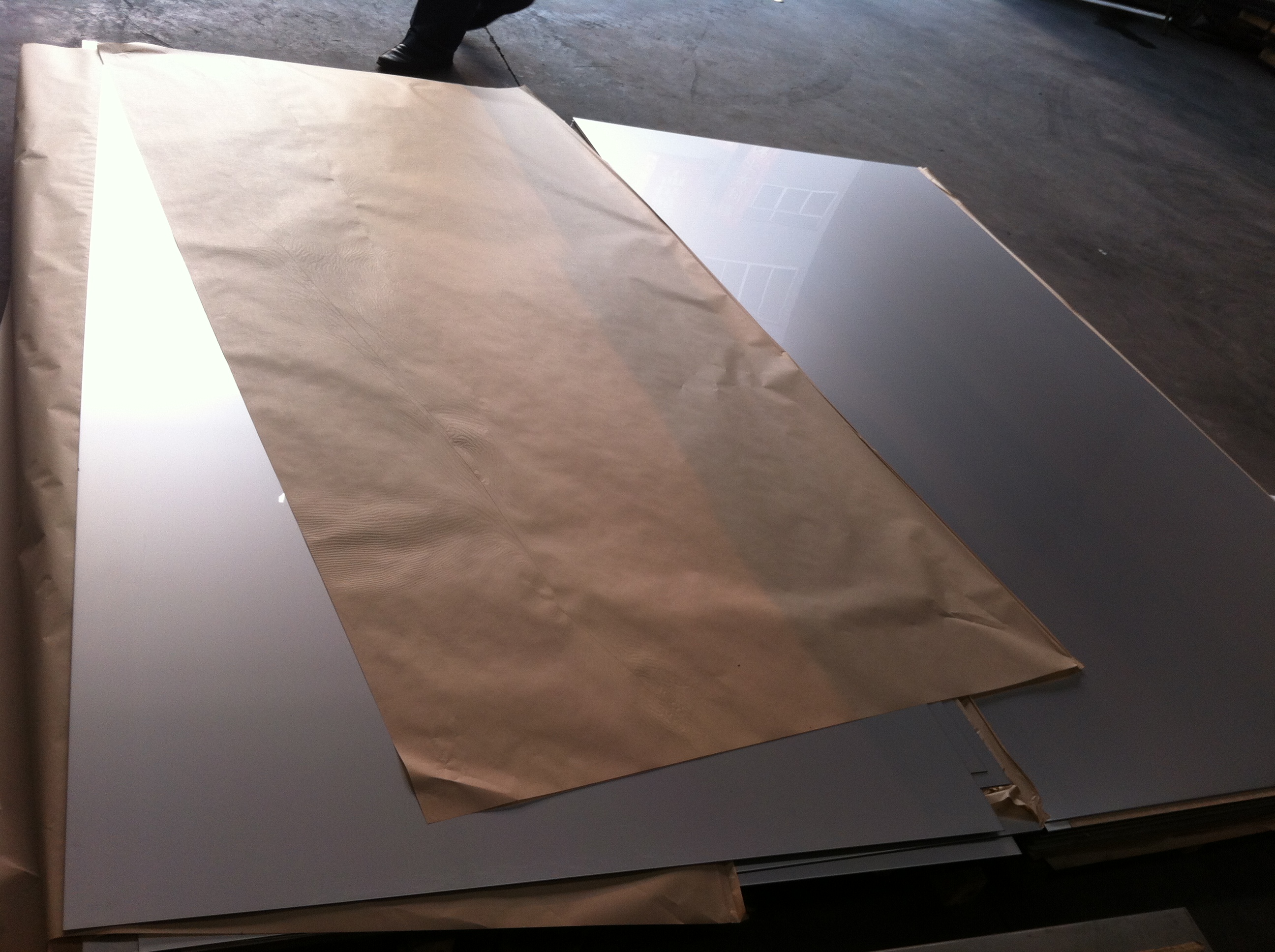
ASTM A240 321H equivalents unlocks global flexibility, with grades like EN 1.4878, JIS SUS321H, and BS 321S51 o
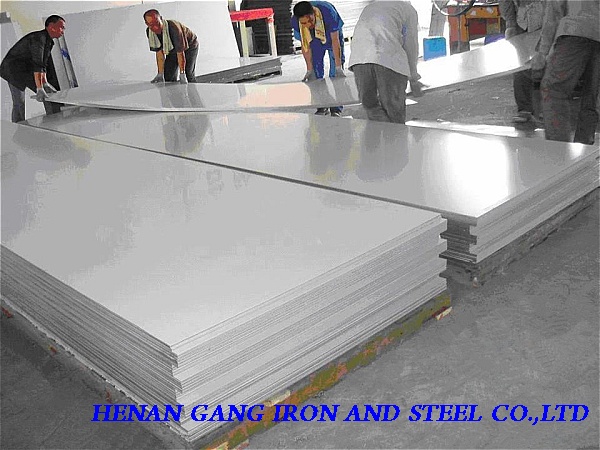
ASTM A240 Grade 304L (S30403) from Gangsteel is the weld-ready austenitic essential, its low-C design conquerin
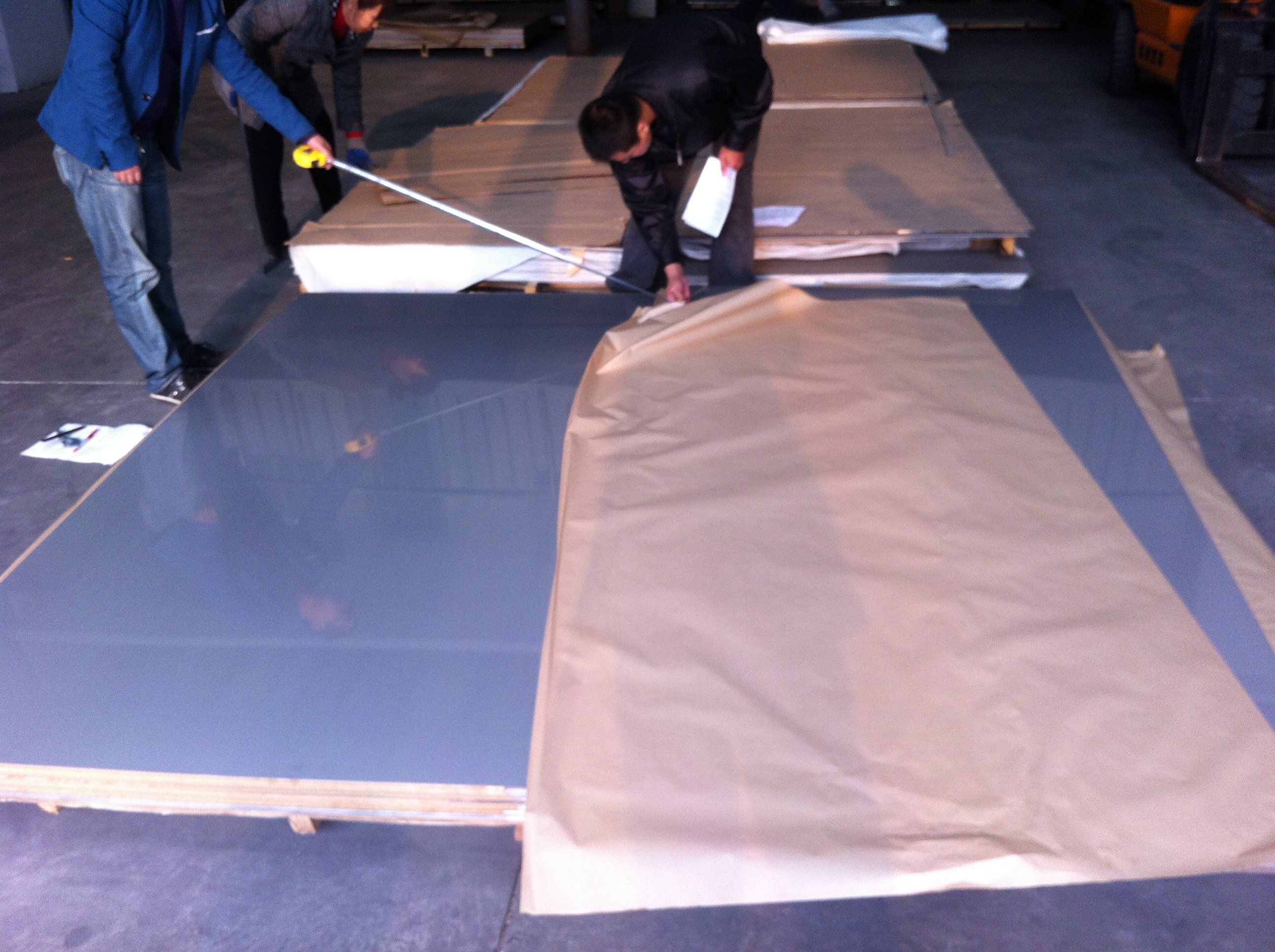
ASTM A240 Grade 304 (S30400) stainless steel plate from Gangsteel is the gold standard for affordable durabilit
ASTM A240 Grade 304H (UNS S30409) is an austenitic stainless steel variant of the widely used Type 304 family,


