Product List
Gangsteel Material Solution
Email: admin@gangsteel.com
Sales: jack@gangsteel.com
When engineering demands a stainless steel that combines high-temperature creep resistance with titanium stabilization to combat sensitization in welded high-heat applications like boiler tubes or petrochemical reformers, ASTM A240 Grade 321H (S32109) stainless steel plate emerges as a high-carbon, stabilized austenitic powerhouse. We also call it A240 Gr 321H in technical discussions (Gr for Grade), A240 SS 321H (SS as in stainless steel),
A240 TP 321H (TP for tubing plate, prevalent in pressure vessel specs), or the classic AISI 321H plate (the American Iron and Steel Institute tag that persists). Whatever variation you entered in your search, you're likely pursuing a material with elevated carbon (0.04-0.10%) for enhanced rupture strength at 500-900°C, plus titanium (4xC min) to bind carbides and prevent IGC—delivering a PREN of ~19-21 for moderate corrosion resistance in oxidizing environments. At Gangsteel, we melt it via AOD with precise Ti additions, rolling plates up to 100 mm thick in finishes from No.1 to polished.
Drawing on over 25 years as a leading Chinese manufacturer and exporter, Gangsteel supplies ASTM A240 Grade 321H to power generation, aerospace, and chemical industries worldwide, dual-certified to ASTM A240 and ASME SA240 for seamless code compliance. This high-carbon variant of 321 boosts short-time tensile strength for sustained thermal loads, resisting sigma phase and embrittlement where low-carbon grades soften. It's a budget-savvy alternative to nickel superalloys in carburizing or sulfidizing atmospheres. Delve into our detailed analysis below. Check our extensive ASTM A 240/A 240M stainless steel plate offerings, including stabilized cousins like ASTM A 240 Gr 321 and molybdenum-stabilized ASTM A 240 Gr 316Ti.
Long-tail keywords: ASTM A240 Grade 321H properties, S32109 stainless steel plate, A240 Gr 321H material specs, AISI 321H equivalent, A240 TP 321H applications
ASTM A240 Grade 321H (UNS S32109) is a high-carbon, titanium-stabilized austenitic stainless steel under ASTM A240 for chromium-nickel plates, sheets, and strips in pressure vessels, boilers, and elevated-temperature corrosive service. Optimized for ASME code applications, its 0.04-0.10% carbon elevates carbide formation for superior creep and stress-rupture strength at 600-900°C (1112-1652°F), while titanium (4xC min) forms stable TiC carbides to prevent chromium depletion and IGC in sensitized zones—allowing as-welded use without annealing in many scenarios. This grade is engineered for prolonged thermal exposure, resisting oxidation scaling up to 925°C intermittent.
Evolving from 321 to meet 1970s refinery demands for hotter, longer service, 321H has become essential in superheater tubes and catalytic converters. At Gangsteel, we use electroslag remelting for homogeneous Ti distribution, yielding grain size ASTM 5-7 and minimal intermetallics for peak toughness. The 17-19% Cr and 9-12% Ni matrix ensures non-magnetic behavior, high ductility (elongation >40%), and formability for complex bends. Thermal expansion (17.2 × 10⁻⁶/°C) and conductivity (16.1 W/m·K) facilitate bimetallic welds with low distortion.
Users searching “A240 SS 321H” often seek its thermal superiority: it holds 180 MPa rupture at 650°C/10,000 hours, 20-30% better than 321, per our creep tests. Weld with 347 or 321 filler; solution anneal at 1050-1150°C for optimal properties. Compared to ASTM A 240 Gr 304H, 321H adds Ti for weld stability without Mo’s chloride focus—PREN ~19-21 suits mild acids.
For setups with cyclic heating and moderate corrosion—like ethylene furnaces or aircraft afterburners—A240 TP 321H’s blend of creep resistance and affordability often triples lifespan versus carbon steels, as validated in our Gulf client audits.
Long-tail keywords: what is ASTM A240 Grade 321H, S32109 properties, A240 Gr 321H material overview, AISI 321H stainless steel basics, A240 TP 321H high carbon stabilized
The chemical profile of ASTM A240 Grade 321H is tuned for high-temp durability, per Table 1. Gangsteel’s vacuum degassing hits tight C and Ti for maximum stabilization.
|
Element |
Percentage (%) |
|---|---|
|
Carbon (C) |
0.04 – 0.10 |
|
Chromium (Cr) |
17.0 – 19.0 |
|
Nickel (Ni) |
9.0 – 12.0 |
|
Titanium (Ti) |
4xC min, ≤0.70 |
|
Manganese (Mn) |
≤ 2.0 |
|
Silicon (Si) |
≤ 0.75 |
|
Phosphorus (P) |
≤ 0.045 |
|
Sulfur (S) |
≤ 0.030 |
|
Nitrogen (N) |
≤ 0.10 |
|
Iron (Fe) |
Balance |
Elevated C promotes strengthening carbides; Ti binds excess to avert IGC. Low P/S enhance weldability. Our exposures in boiling CuSO4-H2SO4 (ASTM A262-B) confirm <0.03 mm/year penetration post-sensitization.
Note: Higher C than ASTM A 240 Gr 321 for creep; no Mo like 316Ti. MTRs include Ti/C ratio.
Long-tail keywords: ASTM A240 Grade 321H chemical composition, S32109 alloy elements, A240 Gr 321H chemistry, AISI 321H titanium carbon, A240 TP 321H stabilized makeup
Properties focus on thermal strength, annealed at 1050-1150°C.
|
Property |
Value at 20°C (Room Temp) |
Value at 700°C (1292°F) |
|---|---|---|
|
Tensile Strength (MPa) |
≥ 515 (75 ksi) |
≥ 320 (46 ksi) |
|
Yield Strength (MPa) |
≥ 205 (30 ksi) |
≥ 120 (17 ksi) |
|
Elongation (%) |
≥ 40 |
≥ 30 |
|
Reduction of Area (%) |
≥ 50 |
- |
|
Hardness (HB max) |
217 |
- |
|
Modulus of Elasticity (GPa) |
193 |
155 |
High C boosts creep 20% over 321; rupture >160 MPa at 650°C/10,000h. Fatigue 200 MPa at 10^7 cycles post-anneal.
Vs ASTM A 240 Gr 316H, similar heat strength but no Mo—better for dry oxidation.
Long-tail keywords: ASTM A240 Grade 321H mechanical properties, S32109 tensile strength, A240 Gr 321H yield elongation, AISI 321H hardness data, A240 TP 321H creep properties
ASME Table 1A for design.
|
Temperature (°C / °F) |
Allowable Stress (MPa / ksi) |
|---|---|
|
100 / 212 |
137 / 19.9 |
|
300 / 572 |
115 / 16.7 |
|
500 / 932 |
96 / 13.9 |
|
600 / 1112 |
80 / 11.6 |
|
700 / 1292 |
55 / 8.0 |
|
800 / 1472 |
35 / 5.1 |
High C/Ti enable stresses 10-20% above 304H at 600°C. Certs with deratings.
Long-tail keywords: ASTM A240 Grade 321H allowable stress, S32109 design values, A240 Gr 321H pressure ratings, AISI 321H stress limits, A240 TP 321H ASME data
International matches.
|
Standard |
Grade/Designation |
Full Spec Details |
|---|---|---|
|
UNS |
S32109 |
UNS S32109 (Unified Numbering System) |
|
Werkstoff Nr. |
1.4878 |
DIN EN 10088-2/3 (Stainless steels) |
|
EN |
X8CrNiTi18-10 |
EN 10028-7 (Pressure products) |
|
ASTM |
A240 Type 321H |
ASTM A240/A240M-22a (Cr-Ni-Ti plate) |
|
ASME |
SA-240 Grade 321H |
ASME SA-240/SA-240M (Cr-Ni-Ti plate) |
|
JIS |
SUS321H |
JIS G4305 (Cold-rolled SS) |
|
AFNOR |
Z6CNT18-10 |
NF EN 10088-3 (Corrosion steels) |
|
BS |
321S51 |
BS 1501-3 (Pressure plates) |
Dual-certs for global codes.
Long-tail keywords: ASTM A240 Grade 321H equivalents, S32109 international grades, A240 Gr 321H standards, AISI 321H equivalents DIN EN JIS, A240 TP 321H global specs
Detailed vs ASTM A 240 Gr 321, ASTM A 240 Gr 316H, ASTM A 240 Gr 304H.
|
Property |
ASTM A240 Gr 321H (S32109) |
ASTM A240 Gr 321 (S32100) |
ASTM A240 Gr 316H (S31609) |
ASTM A240 Gr 304H (S30409) |
|---|---|---|---|---|
|
UNS Number |
S32109 |
S32100 |
S31609 |
S30409 |
|
Type |
Austenitic, Ti-stab, High C |
Austenitic, Ti-stab |
Austenitic, Mo, High C |
Austenitic, High C |
|
Carbon Content |
0.04-0.10% |
≤0.08% |
0.04-0.10% |
0.04-0.10% |
|
Chromium Content |
17.0-19.0% |
17.0-19.0% |
16.0-18.0% |
18.0-20.0% |
|
Nickel Content |
9.0-12.0% |
9.0-12.0% |
10.0-14.0% |
8.0-10.5% |
|
Titanium/Mo |
Ti 4xC min |
Ti 5xC min |
Mo 2.0-3.0% |
- |
|
PREN |
18-20 |
18-20 |
24-26 |
18-20 |
|
Corrosion Resistance |
Good, high-temp stab |
Good, anti-sensitization |
Superior chlorides/high T |
Good in mild acids/high T |
|
Yield Strength (MPa) |
≥205 |
≥205 |
≥205 |
≥205 |
|
Creep Rupture (MPa at 650°C) |
≥180 |
≥160 |
≥180 |
≥150 |
|
Max Temp (°C) |
925 |
925 |
925 |
800 |
|
Cost (USD/kg) |
5-9 |
5-9 |
5-8 |
4-7 |
|
Applications |
Furnaces, boilers |
Exhausts, heat exchangers |
Furnaces, chem reactors |
Boilers, heat treat |
Opt for 321H in hot stabilized, 321 general, 316H corrosives, 304H economy.
Long-tail keywords: ASTM A240 Grade 321H vs 321, 321H vs 316H comparison, A240 Gr 321H vs 304H, AISI 321H alternatives, A240 TP 321H grade differences
Tailored with ±0.1 mm precision.
400 tons stock; 10-15 day turnaround.
Long-tail keywords: ASTM A240 Grade 321H plate specs, S32109 sheet dimensions, A240 Gr 321H bar sizes, AISI 321H custom parts, A240 TP 321H finishes
321H suits high-heat stabilized:
Vs ASTM A 240 Gr 316L, 321H for dry heat without chlorides.
Long-tail keywords: ASTM A240 Grade 321H applications, S32109 industrial uses, A240 Gr 321H in power, AISI 321H petrochemical, A240 TP 321H aerospace
As of November 2025, A240 Gr 321H prices range USD 3.5-5.5 per kg FOB, with hot-rolled at $3.5-4.5/kg per ton equivalents, influenced by Ni (~$17k/ton) and Ti premium. Bulk >5t discounts 10-15%. Gangsteel provides hedging.
Long-tail keywords: ASTM A240 Grade 321H price per kg 2025, S32109 cost factors, A240 Gr 321H market price, AISI 321H plate pricing, A240 TP 321H bulk quotes
Q: What is the difference between ASTM A240 Grade 321H and 321?
A: Grade 321H has a higher carbon content (0.04-0.10% vs ≤0.08% in 321), which improves high-temperature creep and rupture strength for continuous service above 600°C, while both share titanium stabilization for IGC resistance; 321H is preferred for sustained thermal loads like boilers, with 20% better creep performance.
Q: Is ASTM A240 Grade 321H good for high temperatures?
A: Yes, it's designed for continuous 870°C and intermittent 925°C; high carbon enhances carbide pinning for creep resistance (180 MPa at 650°C/10,000h), and titanium prevents sensitization—ideal for furnaces and reformers in oxidizing atmospheres.
Q: What welding filler for ASTM A240 Grade 321H?
A: Use ER347 or ER321 filler for GTAW/SMAW; low heat input (1.0-1.5 kJ/mm) preserves stabilization; post-weld anneal at 1050-1150°C recommended for thick sections to optimize properties and avoid IGC.
Q: Can ASTM A240 Grade 321H resist corrosion?
A: Moderately; good in oxidizing acids and atmospheres (<0.1 mm/year in 10% HNO3), but limited in chlorides (PREN 19)—use for dry high-temp corrosives; Ti ensures weld zones remain resistant.
Q: Is ASTM A240 Grade 321H magnetic?
A: Non-magnetic annealed; cold work can induce 5-10% martensite for slight magnetism—anneal at 1050°C to restore full austenite.
Q: What sizes for ASTM A240 Grade 321H plates?
A: 3-100 mm thick, widths to 2500 mm, lengths to 12000 mm; custom with ±0.1 mm tolerance.
Q: How does 321H compare to 316H in high temp?
A: Both high-C for creep; 316H’s Mo adds chloride resistance (PREN 25 vs 19), better for wet + heat; 321H excels in dry oxidation and carburization without Mo cost.
Long-tail keywords: ASTM A240 Grade 321H FAQ, S32109 welding questions, A240 Gr 321H vs 321, AISI 321H temperature limits, A240 TP 321H high carbon grade
Gangsteel’s 25+ years, 500+ experts, and Ti-stab tech affirm reliability. 100k tons/year exports, LR/TUV certified. For 321H: 100% PMI, custom annealing, global stock. See ASTM A 240 Gr 316. Trusted by GE, Aramco.
Long-tail keywords: ASTM A240 Grade 321H supplier China, S32109 exporter Gangsteel, A240 Gr 321H quality certs, AISI 321H reliable source, A240 TP 321H Gangsteel
ASTM A240 Grade 321H (S32109) from Gangsteel is the high-carbon, Ti-stabilized austenitic for enduring hot corrosive battles, its creep strength dominating power and petrochemical fields. Aligning with EN X8CrNiTi18-10 and thermal mechanics, at $3.5-5.5/kg in November 2025, it’s high-value engineering. Contact for quotes on this or ASTM A 240 Gr 304LN. Power forward with Gangsteel.
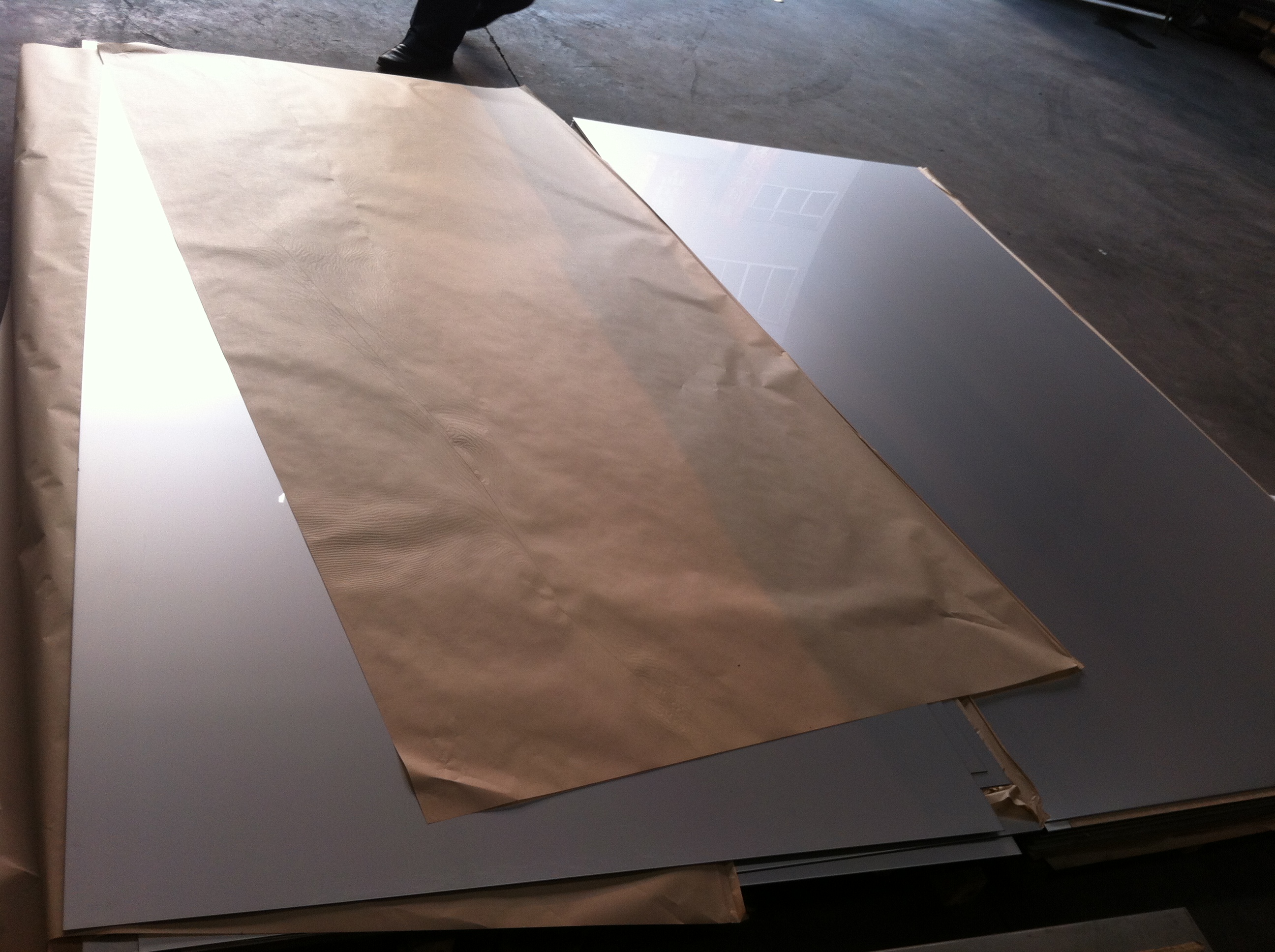
ASTM A240 321H equivalents unlocks global flexibility, with grades like EN 1.4878, JIS SUS321H, and BS 321S51 o
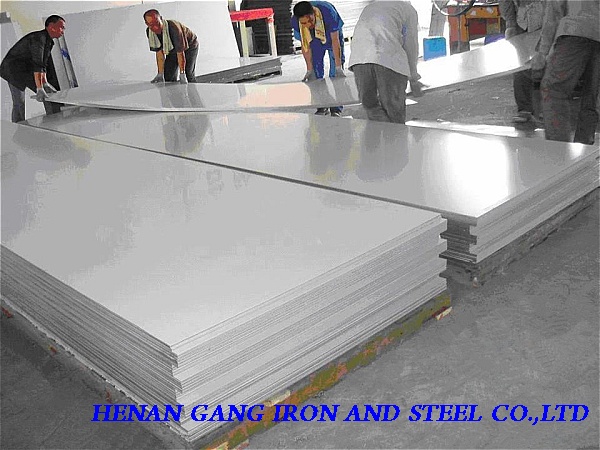
ASTM A240 Grade 304L (S30403) from Gangsteel is the weld-ready austenitic essential, its low-C design conquerin
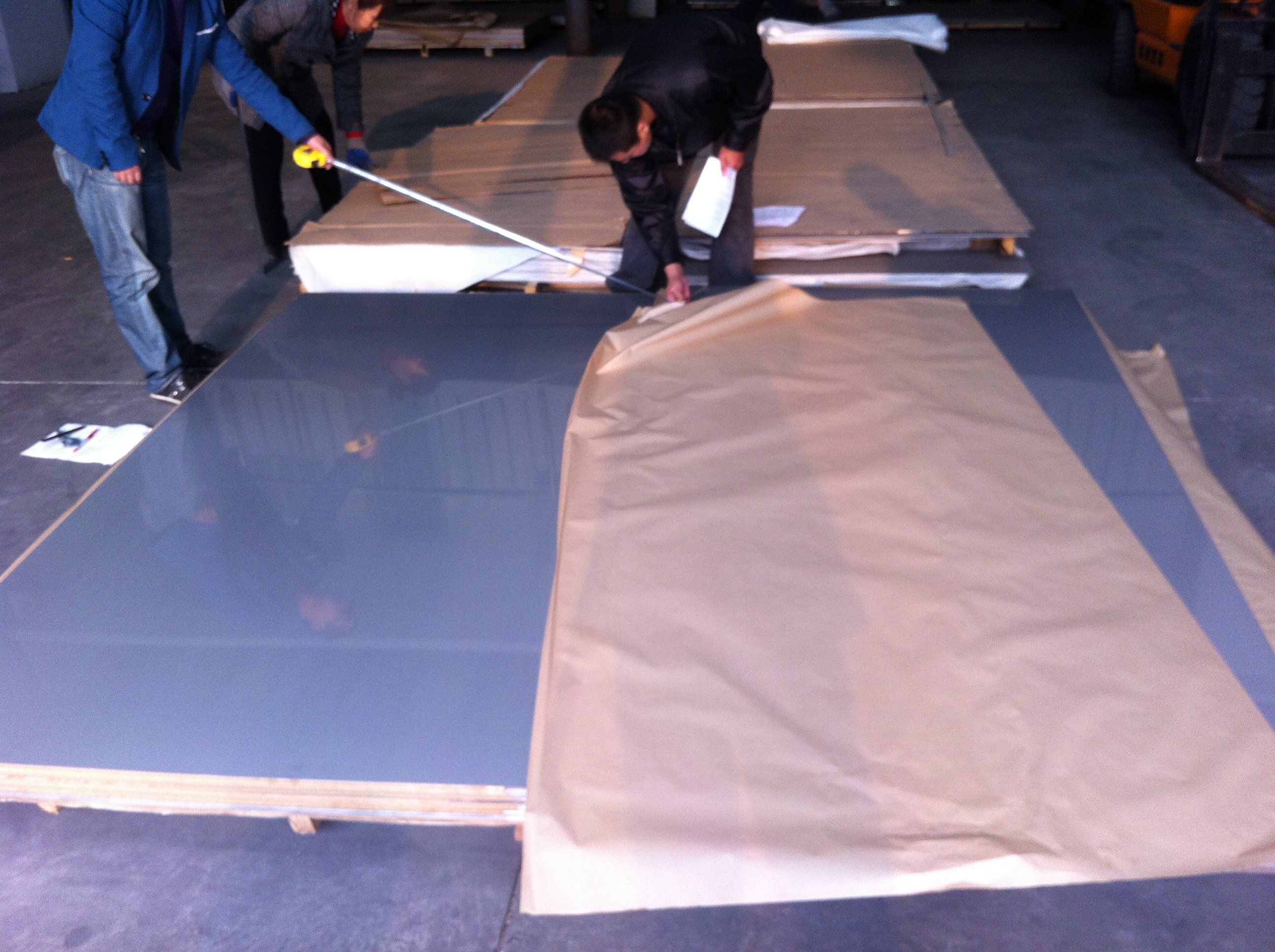
ASTM A240 Grade 304 (S30400) stainless steel plate from Gangsteel is the gold standard for affordable durabilit
ASTM A240 Grade 304H (UNS S30409) is an austenitic stainless steel variant of the widely used Type 304 family,


