


AISI/SAE 1525 (UNS G15250) high-manganese carbon steel is frequently cross-referenced to related ASTM/ASME, EN, and other designations. This equivalents page leads with that cross-reference map, then summarizes chemistry and mechanical limits used to judge dual marking. Near-equivalents are not automatic code substitutes.
Equivalents and Cross-Reference Map
Use the table for RFQ orientation and dual-cert discussions. True dual certification exists only when one heat meets every chemical and mechanical limit of each named specification on the same MTC. Class society, PED, or ASME dossier wording still controls acceptance.
| System | Grade | Note |
|---|---|---|
| UNS | G15250 | Unified number |
| Near | AISI 1522 / 1524 / 1526 | Adjacent Mn carbon grades |
Substitution caveat: Do not swap grades based on marketing strength bands alone. Chemistry, heat treatment, impact temperature, and product form must be reviewed by the responsible engineer before any concession.
Chemical Composition - Base Grade (AISI/SAE 1525 high-manganese carbon steel)
Standard AISI 1525 heat analysis. Si/Cu residuals follow the governing product spec.
| Element / rule | Requirement |
|---|---|
| C | 0.23-0.29 |
| Mn | 0.80-1.10 |
| P, max | 0.040 |
| S, max | 0.050 |
Mechanical Properties (AISI/SAE 1525 high-manganese carbon steel)
Confirm thickness, specimen orientation, and any supplementary impact, UT, or hardness requirements on the PO.
| Property | Requirement |
|---|---|
| Tensile Rm (typical as-delivered band) | 420-580 MPa |
| Yield (typical as-delivered band) | 240-380 MPa |
| Elongation (typical) | 22-32% |
| Hardness (typical) | 120-175 HB |
| Note | Final properties depend on condition - use MTC |
Frequently Asked Questions
What are the common equivalents for AISI/SAE 1525 high-manganese carbon steel?
Buyers typically cross-reference AISI/SAE 1525 high-manganese carbon steel with the related designations listed in the map above. Related grades in the same family are not automatic substitutes.
Is a near-equivalent always acceptable on an ASME or PED dossier?
No. The material specification listed on the calculation sheet, PED appraisal, or purchaser material list controls acceptance. Certificate marks must match unless a formal concession is approved.
How should dual marking be requested for AISI/SAE 1525 high-manganese carbon steel?
List every required standard on the purchase order and ask the mill to print all approved designations on one MTC only when the heat qualifies against each. Gangsteel confirms which heats can honestly carry those marks before allocation.
What is a safe way to compare AISI/SAE 1525 high-manganese carbon steel with near-equivalents?
Compare chemistry ranges, tensile/yield windows, impact temperature if specified, delivery/heat-treatment practice, and product form side by side. Name-alike grades can still fail dossier acceptance.
Does a sibling class or grade count as an equivalent?
Sibling classes (for example Class 1 vs Class 2, or Grade A vs B) share a family but intentionally different strength or toughness tiers. Ordering the wrong tier undercuts the design assumption.
How do I RFQ AISI/SAE 1525 high-manganese carbon steel when equivalents are also named?
State AISI/SAE 1525 (UNS G15250) high-manganese carbon steel as the governing grade, then list any dual marks required. Include dimensions, quantity, delivery condition, optional tests, certificate type, destination, and which mark governs acceptance.
Ordering and Mill Certificates
State grade AISI/SAE 1525 (UNS G15250) high-manganese carbon steel, dimensions, quantity, delivery condition, optional NDT/PMI, and certificate (EN 10204 3.1 standard; 3.2 when third-party inspection is ordered). Gangsteel supplies export plate and related products with mill test certificates. Contact Gangsteel for stock and mill production RFQs.
-

BHW35 Steel Plate for Sale | RF
BHW35 / 13MnNiMo5-4 (DIWA 353 family): identity, chemistry, mechanical properties, related grades, and RFQ note
-
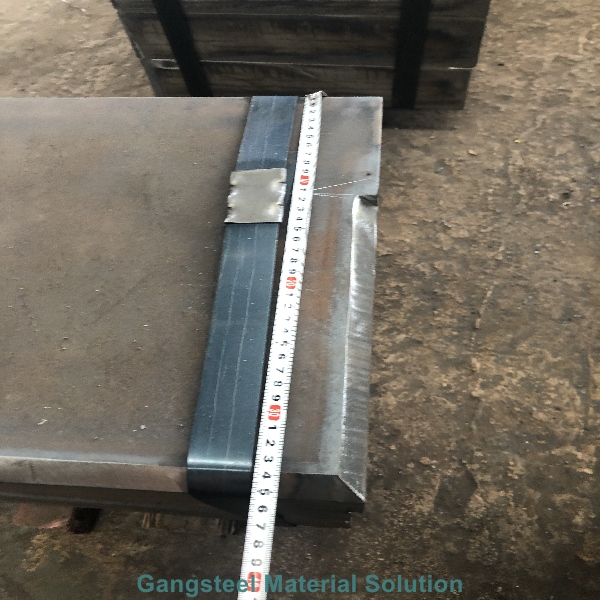
ASTM A516 Grade 70 Equivalent:
ASTM A516 Grade 70 equivalents include ASME SA516 Gr 70, EN 10028-2 P355GH and BS 1501 224-490. Gangsteel compa
-
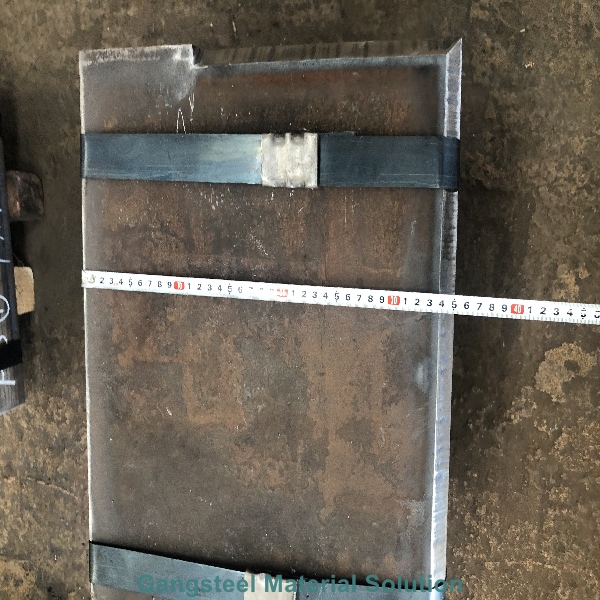
What is the difference between
we supply high-quality A516 Gr 70 steel plate for pressure vessel applications and other standards like ASTM A2
-
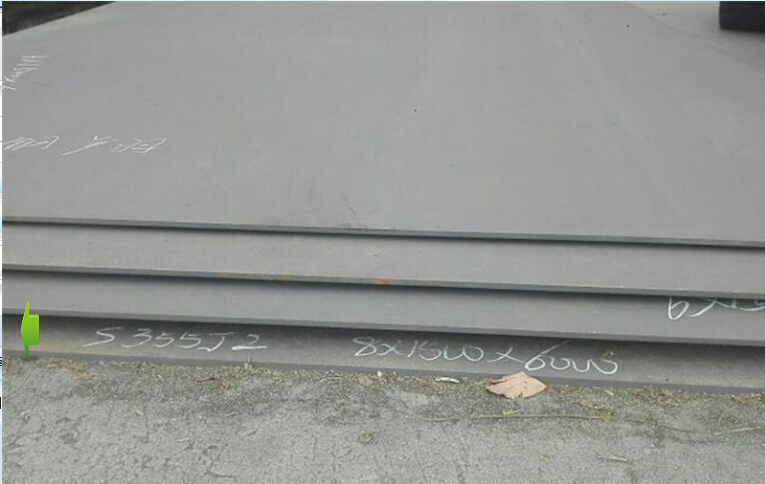
P355GH AND S355J2 Steel Plates
EN10028-2 P355GH for High-Strength Low-Alloy Columbium-Vanadium Structural Steel EN10025-2 S355J2 Structural St