


ASME SA516 Grade 70 (comparison/applications sibling vs SA537) is specified for industrial fabrications where the drawing or material list names this grade. This applications page explains where the grade is used, what service conditions drive selection, and which certificate details belong on the purchase order. Gangsteel supplies ASME SA516 Grade 70 (comparison/applications sibling vs SA537) with EN 10204 mill test certificates.
Typical Applications and Service Conditions
ASME SA516 Grade 70 (comparison/applications sibling vs SA537) plate is ordered for pressure equipment, process vessels, heat-exchanger related fabrications, structural members under the governing code, and project packages that call the grade by name. Match the mill test certificate grade mark to the calculation sheet; do not treat near-equivalents as automatic substitutes.
Service drivers include the design temperature and pressure of the governing code (ASME, EN/PED, class society, or project specification), weld procedure qualification needs, toughness or creep allowables where applicable, and inspection scope. Delivery condition Normalized for t>40 mm typical; killed, fine austenitic grain size should be stated explicitly on the purchase order.
Industry Use Cases
Pressure equipment and process: shells, heads, and related platework when drawings name ASME SA516 Grade 70 (comparison/applications sibling vs SA537). Power and energy: boiler and heat-recovery fabrications under the ordered edition. Marine / offshore (when classed): only when the society material list names this exact grade stamp. Always keep heat-number traceability on cut pieces.
Chemical Composition - Supporting Data (ASME SA516 Grade 70 (comparison/applications sibling vs SA537))
Heat analysis for Grade 70. Carbon max rises with thickness per A516 Table 1 (confirm ordered thickness band). For each 0.01 below C max, Mn max may rise 0.06 up to 1.50 heat. Grade 60 t<=12.5 mm may use Mn 0.60-0.90. Applications sibling of SA516 vs SA537 comparison pages. Tables show SA516 Grade 70; discuss SA537 Class differences in equivalents/FAQ context.
| Element / rule | Requirement |
|---|---|
| C, max (t<=12.5 mm) | 0.27 |
| Mn (heat, t>12.5 mm typical) | 0.85-1.20 |
| P, max | 0.025 |
| S, max | 0.025 |
| Si (heat) | 0.15-0.40 |
Mechanical Properties - Supporting Data (ASME SA516 Grade 70 (comparison/applications sibling vs SA537))
Confirm thickness, specimen orientation, and any supplementary impact, UT, or hardness requirements on the PO.
| Property | Requirement |
|---|---|
| Tensile strength | 70-90 ksi [485-620 MPa] |
| Yield strength, min | 38 ksi [260 MPa] |
| Elongation in 200 mm, min | 17% |
| Elongation in 50 mm, min | 21% |
| Delivery / grain | Killed; fine austenitic grain; normalize when required by thickness |
Related / Near-Equivalent Grades
Near-equivalents are for cross-reference only. They are not automatic code substitutes. Substitution requires engineer approval and matching certificate scope.
| System | Grade | Note |
|---|---|---|
| ASME | SA516 Grade 70 | ASME twin |
| EN 10028-2/3 | P265GH / P355NH family (approx.) | Not drop-in - confirm design code |
| Related | A515 same strength ladder | Higher-temperature sister spec |
| ASTM/ASME | A537 / SA537 Class 1 | Normalized C-Mn PV plate - confirm vs SA516 on design code |
| ASTM/ASME | A537 / SA537 Class 2 | Q&T - not automatic substitute for SA516 |
Frequently Asked Questions
Where is ASME SA516 Grade 70 (comparison/applications sibling vs SA537) typically applied?
ASME SA516 Grade 70 (comparison/applications sibling vs SA537) is applied where design documents, class material lists, or purchaser specs name this grade for pressure, process, structural, or marine fabrications as applicable. Match the MTC marking to the drawing.
What service conditions drive selection of ASME SA516 Grade 70 (comparison/applications sibling vs SA537)?
Design temperature and pressure, toughness or creep allowables, weldability, corrosion or process media, and the governing code edition drive selection. Delivery condition Normalized for t>40 mm typical; killed, fine austenitic grain size must align with the ordered specification.
Can a near-equivalent replace ASME SA516 Grade 70 (comparison/applications sibling vs SA537) on an applications drawing?
Not without redesign and written approval. Near-equivalents differ in chemistry, heat treatment, impact temperature, or product form. Commercial swaps create non-conformance when the dossier names ASME SA516 Grade 70 (comparison/applications sibling vs SA537).
What fabrication notes matter for ASME SA516 Grade 70 (comparison/applications sibling vs SA537)?
Use approved WPS/PQR packages for the thickness and filler, control heat input, and preserve heat-number traceability on cut pieces. State any supplementary UT, PMI, or impact tests on the purchase order.
What certificate and marking should an applications PO demand?
EN 10204 3.1 is standard; 3.2 when a purchaser-appointed inspector witnesses tests. The MTC should show heat analysis, tensile results, delivery condition, and heat number aligned with ASME SA516 Grade 70 (comparison/applications sibling vs SA537).
How should I RFQ ASME SA516 Grade 70 (comparison/applications sibling vs SA537) plate from Gangsteel for a project?
Send ASME SA516 Grade 70 (comparison/applications sibling vs SA537), thickness x width x length (or nesting list), quantity, delivery condition, optional NDT/PMI, certificate type, destination, and any dual-mark needs. Note the end use when special flatness or cut-to-size packaging is required.
Ordering and Mill Certificates
State grade ASME SA516 Grade 70 (comparison/applications sibling vs SA537), dimensions, quantity, delivery condition, optional NDT/PMI, and certificate (EN 10204 3.1 standard; 3.2 when third-party inspection is ordered). Gangsteel supplies export plate and related products with mill test certificates. Contact Gangsteel for stock and mill production RFQs.
-

BHW35 Steel Plate for Sale | RF
BHW35 / 13MnNiMo5-4 (DIWA 353 family): identity, chemistry, mechanical properties, related grades, and RFQ note
-
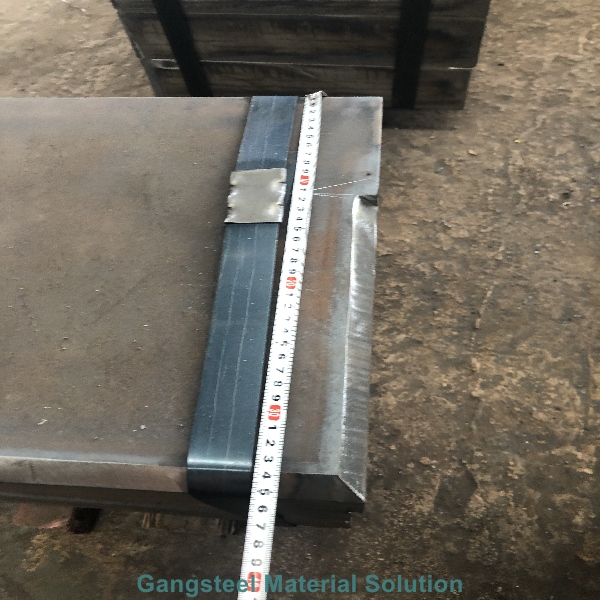
ASTM A516 Grade 70 Equivalent:
ASTM A516 Grade 70 equivalents include ASME SA516 Gr 70, EN 10028-2 P355GH and BS 1501 224-490. Gangsteel compa
-
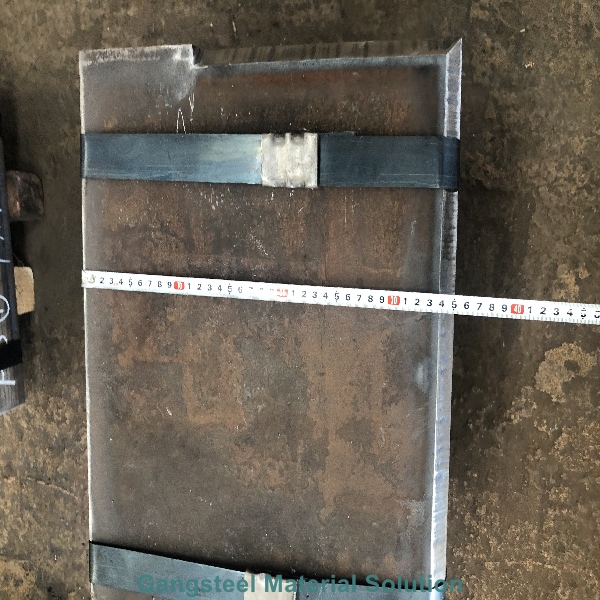
What is the difference between
we supply high-quality A516 Gr 70 steel plate for pressure vessel applications and other standards like ASTM A2
-
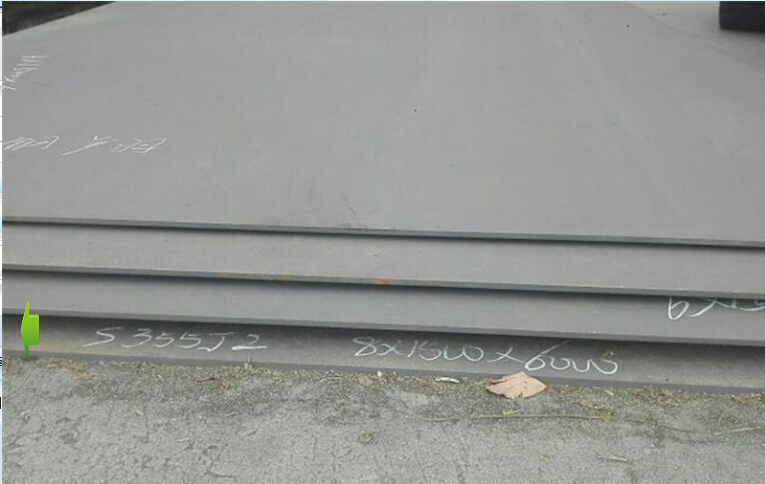
P355GH AND S355J2 Steel Plates
EN10028-2 P355GH for High-Strength Low-Alloy Columbium-Vanadium Structural Steel EN10025-2 S355J2 Structural St