


GL Grade A (IACS ordinary-strength hull steel, historically Germanischer Lloyd; now under DNV GL / DNV rules continuity depending on contract) is the baseline Grade A hull plate for shipbuilding and offshore structures when drawings call ordinary-strength A with society stamp. This applications page covers where GL Grade A is used, how it sits in the A/B/D/E toughness ladder, and what belongs on a classed purchase order.
This page is a standalone technical article. For the primary overview on the original URL, see GL Grade A primary specification page.
Typical Shipbuilding and Offshore Applications
GL Grade A plate is used for hull shell and deck plating in mild service zones, internal structural members, bulkheads, brackets, and general shipyard fabrications where the approved drawings specify ordinary-strength Grade A rather than higher-strength AH32/AH36 or colder-toughness Grade D/E. Newbuilds, repairs, and conversions for commercial vessels commonly order Grade A for large tonnage of non-critical thickness ranges under class survey.
Offshore and marine-related fabrications may also call Grade A for pontoon structure, outfitting foundations, and secondary members when the class material list names Grade A. Primary members in ice or low-temperature service, or high-stress hull areas, usually step up to Grade D/E or higher-strength families - those are separate application choices, not commercial substitutes for Grade A.
Service Conditions and Rule Position
Ordinary-strength Grade A shares the 235 MPa minimum yield tier with Grades B/D/E. Impact testing is generally not required for Grade A at thickness <=50 mm under IACS UR W11 practice; thicker plate follows society rules (often +20 deg C when impact is required). Grade B introduces 0 deg C impact; Grade D -20 deg C; Grade E -40 deg C. Buyers must not replace a colder grade with Grade A to cut cost without redesign and class approval.
Chemical Composition - Ladle Analysis (IACS UR W11 / GL Grade A)
Ladle / heat analysis rules for ordinary-strength Grade A. Confirm the current society rules edition cited on the shipyard contract.
| Element / rule | Requirement |
|---|---|
| C, max | 0.21% (sections may allow 0.23%) |
| Mn, min | 2.5 x C |
| Si, max | 0.50% |
| P, max | 0.035% |
| S, max | 0.035% |
| C + Mn/6 | <=0.40% |
| Deoxidation | t<=50 mm: any except rimmed; t>50 mm: killed |
Mechanical Properties - Normal Strength Grade A
Confirm thickness band and any supplementary Z-quality or UT requirements on the class-approved PO.
| Property | Requirement |
|---|---|
| Yield strength ReH, min | 235 MPa |
| Tensile strength Rm | 400-520 MPa |
| Elongation A5, min | 22% |
| Impact | Generally not required for t<=50 mm; thicker plate per society rules (+20 deg C when required) |
| Delivery | As-rolled common for thin plate; N/CR/TM per thickness and approval |
Related / Near-Equivalent Grades
Near-equivalents are for cross-reference only. Class stamp and rules edition control acceptance; name-alike structural steels without class certificate are not ship plate substitutes.
| System | Grade | Note |
|---|---|---|
| ABS / LR / BV / DNV / NK | Grade A / A / A / A / KA | Same IACS ordinary-strength A band with society stamp |
| ASTM | A131 Grade A | US ordinary-strength hull plate |
| GB 712 | Grade A | Chinese ship plate counterpart |
| EN 10025-2 | S235JR (approx.) | Structural strength only - no class certificate |
| Next grade | GL Grade B | Impact at 0 deg C |
Frequently Asked Questions
Where is GL Grade A typically used in shipbuilding?
GL Grade A is used for ordinary-strength hull shell and deck plating, internal structure, bulkheads, and general shipyard members when the approved drawings and class material list specify Grade A. It is the high-tonnage baseline grade for mild service zones. Primary overview: GL GRADE A.
What belongs on an applications-focused purchase order for GL Grade A?
State GL (or DNV GL/DNV per contract) Grade A, thickness x width x length or nesting list, quantity, delivery route (AR/N/CR/TM), surface/primer needs, weld-prep bevels, piece marks, class survey hold points, and certificate type. Application intent helps planners; the class-stamped MTC still governs acceptance.
Can GL Grade A replace Grade D, Grade E, or AH36 to cut cost?
Not without redesign and class approval. Grade D/E add impact toughness at -20/-40 deg C; AH36 is a higher-strength family with different allowables. Commercial substitution that ignores toughness or strength tier fails class inspection.
What fabrication notes matter for GL Grade A in the shipyard?
Follow class-approved WPS/PQR packages for thickness and CE, control heat input, keep heat numbers on cut pieces, and observe coating hold-back where primed plate enters staging. Flatness and edge condition should match the yard cutting plan stated on the PO.
What certificate and class stamp should the applications PO require?
EN 10204 3.1 is common; 3.2 when a purchaser or class surveyor witnesses tests. The MTC must carry the society grade mark (GL/DNV Grade A or as contracted), heat analysis, tensile results, delivery condition, and heat-number traceability aligned with the hull number or project.
How do I RFQ GL Grade A plate from Gangsteel for a vessel project?
Send GL/DNV Grade A (per contract society), sizes, quantity, delivery condition, class stamp required, optional UT/Z tests, certificate type, destination yard, and hull/project reference. Gangsteel replies with mill approval status, lead time, and packing notes.
Ordering and Mill Certificates
State grade GL Grade A (IACS ordinary-strength hull steel), dimensions, quantity, delivery condition, optional NDT/PMI, and certificate (EN 10204 3.1 standard; 3.2 when third-party inspection is ordered). Gangsteel supplies export plate and related products with mill test certificates. Contact Gangsteel for stock and mill production RFQs.
-

BHW35 Steel Plate for Sale | RF
BHW35 / 13MnNiMo5-4 (DIWA 353 family): identity, chemistry, mechanical properties, related grades, and RFQ note
-
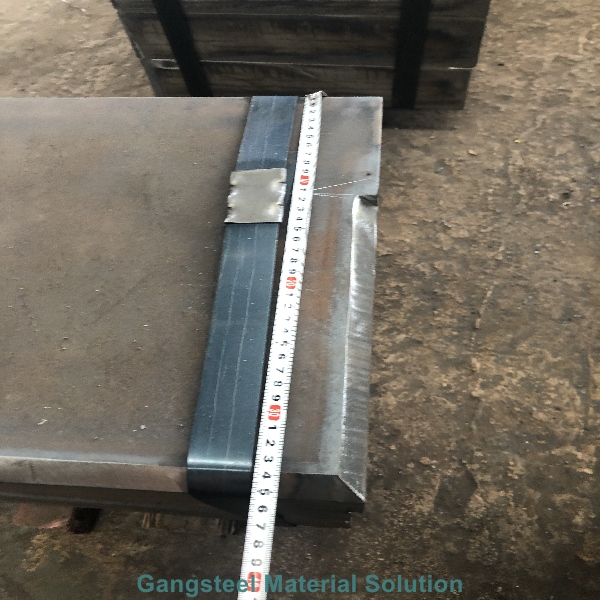
ASTM A516 Grade 70 Equivalent:
ASTM A516 Grade 70 equivalents include ASME SA516 Gr 70, EN 10028-2 P355GH and BS 1501 224-490. Gangsteel compa
-
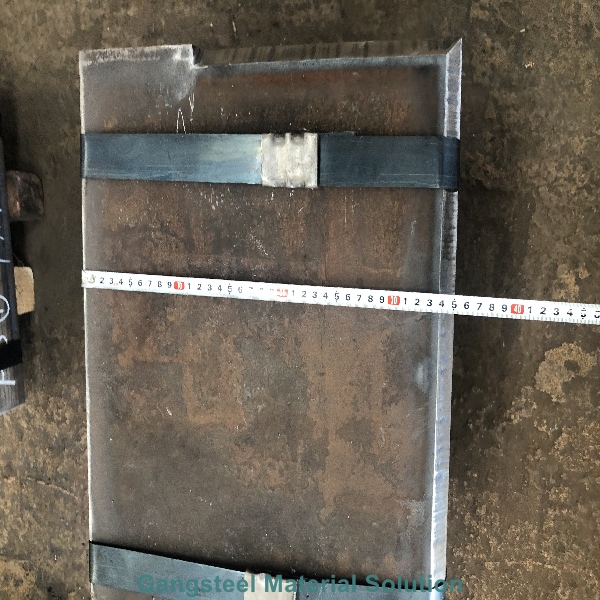
What is the difference between
we supply high-quality A516 Gr 70 steel plate for pressure vessel applications and other standards like ASTM A2
-
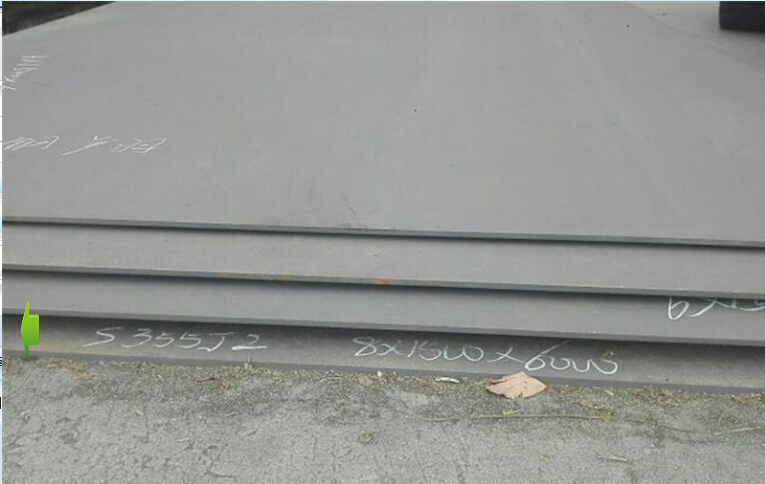
P355GH AND S355J2 Steel Plates
EN10028-2 P355GH for High-Strength Low-Alloy Columbium-Vanadium Structural Steel EN10025-2 S355J2 Structural St