Product List
Gangsteel Material Solution
Email: admin@gangsteel.com
Sales: jack@gangsteel.com
Short answer:Yes, 430 stainless steel is good for cooking in many everyday situations, and it is widely used in home and commercial kitchen equipment. It is not the absolute best choice for every cooking scenario (especially highly acidic or salty foods), but it is a solid, cost-effective option that performs reliably for most people.
Gangsteel supplies premium 430 stainless steel (AISI 430 / UNS S43000 / SUS430 / 1.4016 / X6Cr17) from Yongjin Stainless Steel (Yongjin Mill) — one of China’s top producers — and we see excellent real-world results from customers who use it for cookware, range hoods, oven liners, and food prep surfaces.
Here’s the clear, practical breakdown based on performance, food safety, and our export experience:
In most home and light commercial cooking, 430 stainless steel shows little to no rust or staining for many years.
For the same high-quality material, please see our:
430 has limitations in certain cooking scenarios:
In these cases, 304 or 316L is the safer long-term choice. For everyday home cooking and most commercial kitchens with mild foods, 430 performs very well and saves money.
From our export data and customer feedback:
We supply 430 stainless steel in the following range optimized for food & cooking equipment:
We offer genuine Yongjin Stainless Steel (Yongjin Mill) material with full traceability, flexible MOQ (from 5 tons), fast delivery (15–30 days), and food-contact compliance documentation (migration tests, FDA/EU statements) upon request.
Is 430 stainless steel food grade?Yes — widely accepted for mild food contact (dry foods, dairy, mild sauces, non-acidic processing).
Is 430 safe for cooking?Yes for most home and light commercial cooking; 304/316 is better for heavy acid/salt use.
Does 430 leach into food?No significant leaching — chromium oxide layer is stable and inert in normal use.
Is 430 better than 304 for cooking?Better value and heat transfer for mild cooking; 304 is better for aggressive foods.
Does Gangsteel provide food-contact certificates for 430?Yes — migration test reports and compliance statements available.
Contact our technical sales team today for current pricing, samples, or food-contact compliance documentation for 430 stainless steel. Let Gangsteel help you source genuine top Chinese mill material at factory prices for your cooking equipment production.
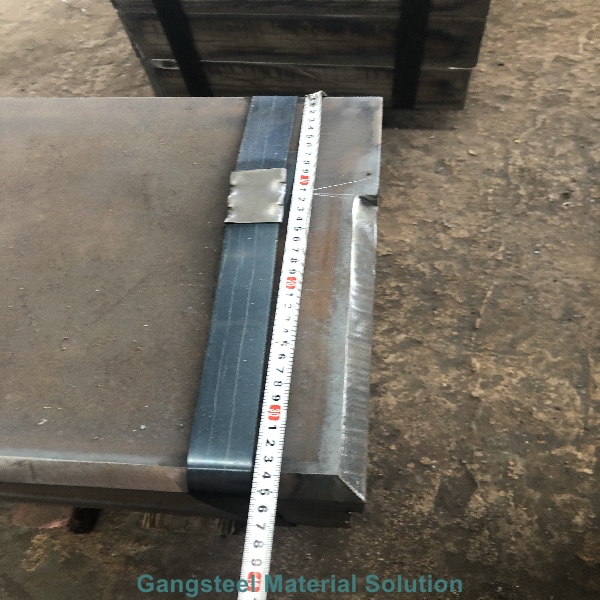
ASTM A516 GR 70 equivalent materials is such as ASME SA516 GR 70, EN 10028 P355GH, and BS1501 224-490 A & B, sh
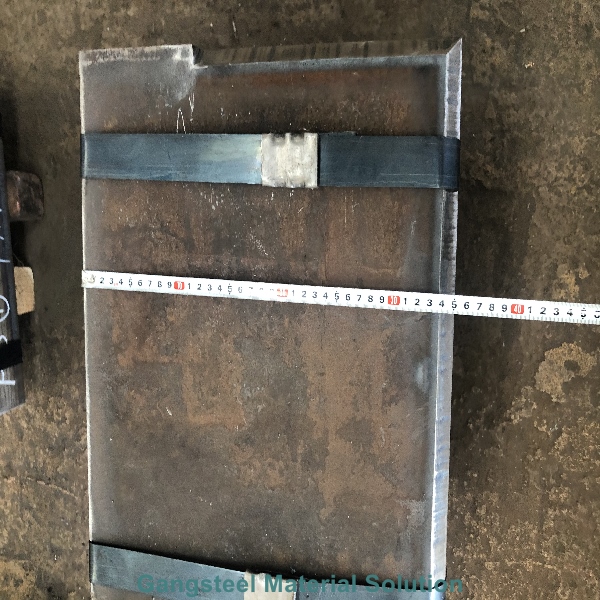
we supply high-quality A516 Gr 70 steel plate for pressure vessel applications and other standards like ASTM A2
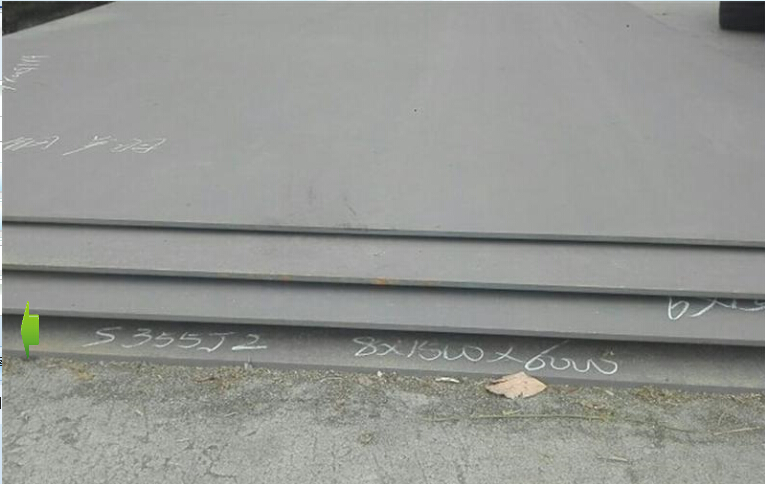
EN10028-2 P355GH for High-Strength Low-Alloy Columbium-Vanadium Structural Steel EN10025-2 S355J2 Structural St

We export A240 304L Stainless Coil 2B, NO.1 No.4 surface, the thickness 0.1mm to 3mm, 3mm to 22mm, Mother mill


