


- what gauge is 430 stainless steel?
- what is aisi 430 stainless steel?
- what is 430 grade stainless steel?
- is 430 stainless steel non toxic?
- is 430 stainless steel safe for cooking?
- is 430 stainless steel food safe?
- is 430 stainless steel good for knives?
- is 430 stainless steel rust proof?
- is 430 stainless steel food grade?
- is 430 stainless steel magnetic?
Which is better: 304 or 430 stainless steel?
The honest answer is: neither is universally better — it depends entirely on your application, budget, environment, and priorities.
Both are excellent stainless steels, but they belong to completely different families and serve different purposes. Here’s a clear, practical comparison based on real performance, cost, and what thousands of our customers actually choose.
Quick Head-to-Head Comparison (2025–2026 Real-World View)
|
Criterion |
304 Stainless Steel |
430 Stainless Steel |
Winner (for most people) |
|---|---|---|---|
|
Material cost (FOB China) |
Higher (~$2,000–$2,800/MT) |
30–50% lower (~$1,200–$1,400/MT) |
430(huge savings) |
|
Corrosion resistance |
Excellent (good in chlorides, acids, outdoors) |
Good in mild atmospheres, poor in chlorides |
304 |
|
Thermal conductivity |
~16 W/m·K |
~26 W/m·K (≈60% better) |
430(better heat transfer) |
|
Thermal expansion |
16–17 × 10⁻⁶/°C |
10.5 × 10⁻⁶/°C (≈35% lower) |
430(less warping) |
|
Magnetism |
Non-magnetic (annealed) |
Strongly magnetic |
430(if magnetism needed) |
|
Formability / deep drawing |
Excellent |
Very good |
304slight edge |
|
Weldability |
Excellent |
Good (needs care to avoid embrittlement) |
304 |
|
Scratch & fingerprint hiding |
Good (especially 2B/NO.4) |
Excellent (especially 2B/NO.4) |
430 |
|
Price stability |
Fluctuates with nickel price |
Very stable (almost no nickel) |
430 |
|
Typical service life |
15–30+ years in harsh environments |
10–20+ years in mild environments |
304in aggressive use |
When 430 Is Clearly Better (and What We See Customers Choose)
430 is better (and usually the smarter choice) when:
- You want to save 30–50% on material cost
- The environment is mild (indoor, urban, dry outdoor, no heavy salt/chlorides)
- You need strong magnetism (magnetic knife holders, automated lines, sensor parts)
- Heat transfer or low warping is important (range hoods, oven liners, cookware bases)
- Fingerprint/scratch hiding matters most (2B or NO.4 finish)
Most common Gangsteel customers who prefer 430:
- Appliance manufacturers (refrigerator doors, washing machine panels, microwaves)
- Kitchenware & cookware producers (sinks, countertops, trays)
- Furniture & cabinet makers (frames, fronts, hardware)
- Architectural & decorative fabricators (elevator interiors, trim)
- Automotive interior trim suppliers
They save big money and get equal or better performance in thermal cycling and scratch hiding.
When 304 Is Clearly Better
304 is better (and the safer long-term choice) when:
- The environment has chlorides, salt, or moisture (coastal, marine, road salt, swimming pool areas)
- Strong acids, food brines, or aggressive sanitizers are involved
- Maximum pitting/crevice corrosion resistance is required
- Non-magnetic properties are needed
- The product must last in very harsh conditions (15–30+ years with minimal maintenance)
Most common customers who still choose 304:
- Food processing with high salt/acid exposure
- Coastal/outdoor architectural projects
- Chemical or pharmaceutical equipment
- Marine or high-hygiene applications
Bottom Line from Gangsteel’s Experience
For 80–90% of typical applications(appliances, kitchenware, furniture, indoor/outdoor trim, hardware, light commercial use): 430 is better — you get excellent durability, better heat performance, magnetism, and huge cost savings.
Only choose 304if your product faces aggressive corrosion risks (chlorides, acids, salt water, heavy sanitizers) — otherwise you’re paying a large premium for corrosion resistance you don’t actually need.
We have helped hundreds of companies switch from 304 to 430 successfully — many now use 430 exclusively and thank us for the cost reduction.
If you tell us your specific application, environment (indoor/outdoor/coastal), end use (cooking, cladding, appliances, etc.), and volume, we’ll give you a clear, honest recommendation: which grade is actually better for your project and why.
Contact our technical sales team today for current pricing on both 430 and 304, free samples, or a side-by-side cost & performance analysis tailored to your needs.
At Gangsteel, we don’t push one grade — we help you choose the one that saves money and performs reliably.
We look forward to supporting your success.
- what gauge is 430 stainless steel?
- what is aisi 430 stainless steel?
- what is 430 grade stainless steel?
- is 430 stainless steel non toxic?
- is 430 stainless steel safe for cooking?
- is 430 stainless steel food safe?
- is 430 stainless steel good for knives?
- is 430 stainless steel rust proof?
- is 430 stainless steel food grade?
- is 430 stainless steel magnetic?
-
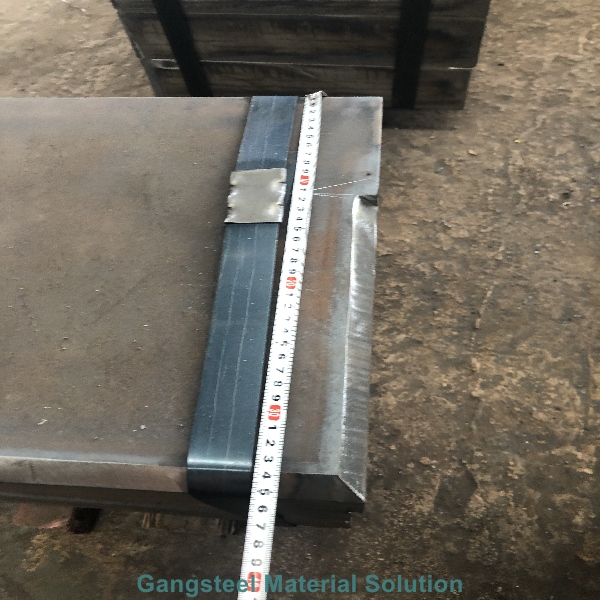
ASTM A516 Grade 70 Equivalent:
ASTM A516 Grade 70 equivalents include ASME SA516 Gr 70, EN 10028-2 P355GH and BS 1501 224-490. Gangsteel compa
-
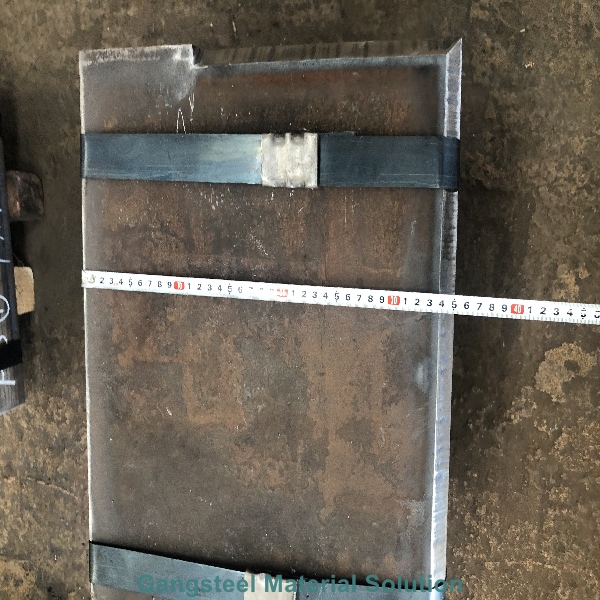
What is the difference between
we supply high-quality A516 Gr 70 steel plate for pressure vessel applications and other standards like ASTM A2
-
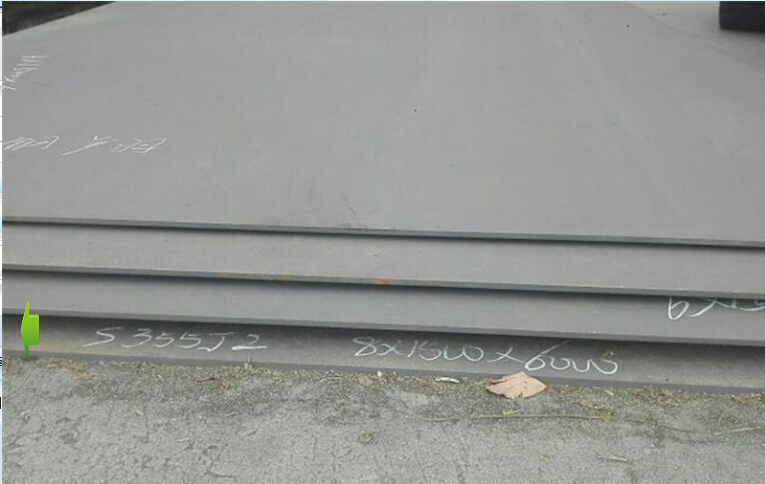
P355GH AND S355J2 Steel Plates
EN10028-2 P355GH for High-Strength Low-Alloy Columbium-Vanadium Structural Steel EN10025-2 S355J2 Structural St
-

A240 304L Stainless Coil
We export A240 304L Stainless Coil 2B, NO.1 No.4 surface, the thickness 0.1mm to 3mm, 3mm to 22mm, Mother mill